 Phone: 0731-3121900, Mob: 9229297668, 9826655552
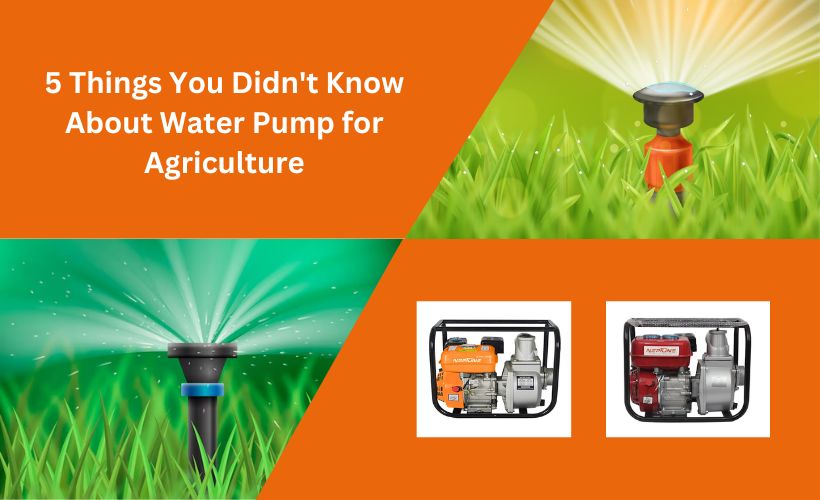
Water pump for agriculture are essential for crops to get the moisture they need to flourish. That being said, there are a lot of little-known aspects of water pumps used in agriculture. Knowing these components will improve your farming efficiency, regardless of whether you use a diesel water pump or an agriculture motor pump. These are five interesting (and possibly unknown) facts regarding water pumps used in agriculture.
1. Variety of Pump Types
Water pumps for agriculture are not a one-size-fits-all product. There are many different kinds of pumps made for various scenarios and uses. Diaphragm pumps, submersible pumps, and centrifugal pumps are common types. Because centrifugal pumps are easy to use and efficient at transporting huge amounts of water, they are widely employed. Because submersible pumps can function underwater, they are perfect for deep wells. Diaphragm pumps work well with slurry and filthy water.
2. Energy Efficiency and Cost Savings
Contemporary agricultural motor pumps are engineered to achieve optimal energy efficiency. Technological developments have made pumping at its best while using less power possible. For example, energy consumption can be greatly reduced using variable frequency drives (VFDs) to alter the pump’s speed to match the desired flow rate. Purchasing an energy-efficient pump can result in significant electricity bill savings over time, increasing the profitability and sustainability of farming.
3. Diesel Water Pumps: Power and Portability
Diesel water pump for agriculture are renowned for their durability and portability. These pumps are perfect for isolated locations without consistent or accessible electricity. Diesel water pump for farming have a long operating life, so they can consistently supply irrigation water. They are appropriate for large-scale farming operations since they are made to manage large amounts of water. Diesel water pumps are an excellent investment because of their long-term dependability and durability, even if they are more expensive initially.
4. Advanced Control Systems
The way agriculture motor pump operate has been transformed by the incorporation of sophisticated control systems. Water pressure, flow rate, and pump performance are just a few of the factors that may be tracked by sensors and automated control panels installed in modern pumps. These devices can regulate the pump’s performance automatically to maintain maximum effectiveness and avoid problems like overloading or overheating. With certain sophisticated configurations, farmers can even remotely monitor and operate their pumps using laptops or cell phones, which offers ease and peace of mind.
5. Environmental Considerations
Sustainable farming practices greatly benefit from the use of water pumps for agriculture sector. These pumps assist in water conservation and waste reduction by effectively controlling available water resources. Precise water distribution is essential for sophisticated irrigation systems, such as sprinkler and drip irrigation, and this is enabled by superior pumps. Additionally, using solar-powered water pumps is becoming more popular as a greener option. By using solar energy to power their devices, these pumps lessen farming enterprises’ carbon footprint and dependency on fossil fuels.
Conclusion
Water pumps for agriculture are essential instruments, providing a host of advantages from enhanced control systems to energy efficiency. Whether you choose a diesel water pump for agriculture or an agriculture motor pump, knowing these little-known details can help you improve your farming techniques and make well-informed selections. As technology advances, water pumps will become more important in sustainable and productive agricultural operations.
Frequently Asked Questions
1. What kind of water pump is ideal for agricultural deep wells?
– Submersible pumps work well in agricultural deep wells. These pumps are made to effectively raise water from considerable depths and are capable of submerged operation.
2. How can I increase the energy efficiency of my diesel water pump for farming?
– Regular maintenance is essential to improving a diesel water pump’s energy efficiency. Moreover, energy consumption can be decreased by adjusting the pump’s speed to match the needed flow rate with the aid of variable frequency drives (VFDs).
3. Do large-scale farming operations find solar-powered water pumps to be effective?
– Indeed, large-scale farming enterprises can benefit from the use of solar-powered water pumps. Their utilization of solar energy, decreased dependency on fossil fuels, and reduction of carbon emissions provide an environmentally sustainable option. On the other hand, the efficacy is contingent upon the amount of sunlight and the particular water needs of the farm.