 Phone: 0731-3121900, Mob: 9229297668, 9826655552
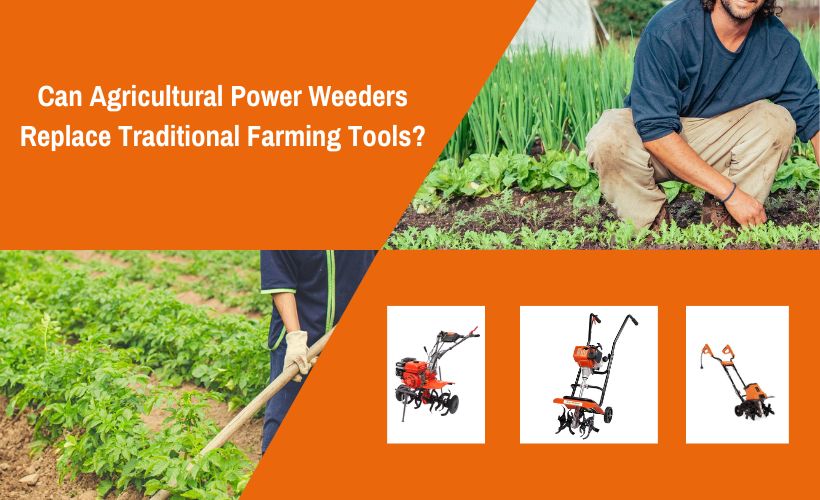
For generations, the face of farming has been etched with the marks of manual labor — sweat on brows, calloused hands, and the rhythmic use of hoes, sickles, and animal-drawn plows. These traditional tools, though steeped in cultural and historical significance, demand time, physical stamina, and manpower. But agriculture, like every other sector, is undergoing a quiet revolution. At the forefront of this transformation stands the agricultural power weeder, a machine that promises to ease workloads and increase productivity. The question remains — can this modern marvel fully replace time-tested traditional tools?
The Rise of the Power Weeder: Speed Meets Precision
Modern agricultural power weeders have carved a niche for themselves by offering unmatched efficiency. Available in various models, they significantly reduce the time required for soil preparation and weed control. This not only cuts labor costs but also ensures timely operations during critical farming periods.
Many models come equipped with rotary tillers and adjustable settings, enabling targeted weed removal. In some setups, they can also function as a weed cutter machine, helping clear unwanted vegetation swiftly without disturbing the main crops.
Traditional Tools: Simple, Sustainable, and Still Relevant
Despite technological advances, traditional farming tools continue to hold importance, especially for smallholder farmers. Their affordability and simplicity make them practical, particularly in areas with limited access to modern machinery. The hand weeder machine, for example, remains a reliable choice for farmers working on smaller plots or with delicate crops.
These tools also align with eco-friendly practices. Manual weeding eliminates the need for herbicides and reduces dependence on fossil fuels, helping preserve soil health and local ecosystems.
It’s All About Context: Matching Tools to the Task
There’s no universal answer when it comes to choosing between traditional tools and modern equipment. The best choice depends on various factors:
- Farm Size: Large farms benefit from machinery; smaller farms may rely on hand tools.
- Crop Type: Precision crops might require manual care, while others tolerate machine use.
- Soil and Terrain: Rocky or uneven fields may not be ideal for mechanized equipment.
- Budget and Access: For many, the hand weeder machine remains the most cost-effective option.
- Sustainability: Traditional tools often have a lower environmental impact.
A Balanced Approach
Rather than replacing traditional tools entirely, many farmers find success by combining both. Use an agricultural power weeder for large, open-field operations and turn to hand tools for tighter spaces and specialty crops. This hybrid method ensures efficiency without sacrificing sustainability or precision.
Conclusion: Blending Innovation with Tradition
While the agricultural power weeder brings speed and efficiency to modern agriculture, traditional tools — including the humble hand weeder machine and versatile weed cutter machine — still play a vital role. The future of farming lies in balancing these tools, choosing what works best for each unique scenario, and embracing innovation without losing sight of time-tested methods.
FAQ
Q1. What are the advantages of a power weeder?
Power weeders help in controlling and removing weeds effectively and efficiently. Power weeders allow crops to access more resources such as water, nutrients, and sunlight. This leads to improved crop productivity and higher yields. Power weeders automate the process of weed control, reducing the need for manual labor.
Q2. What is the depth of the power weeder?
Effective Weeding
This power weeder can reach up to a depth of 6 inches.