 Phone: 0731-3121900, Mob: 9229297668, 9826655552
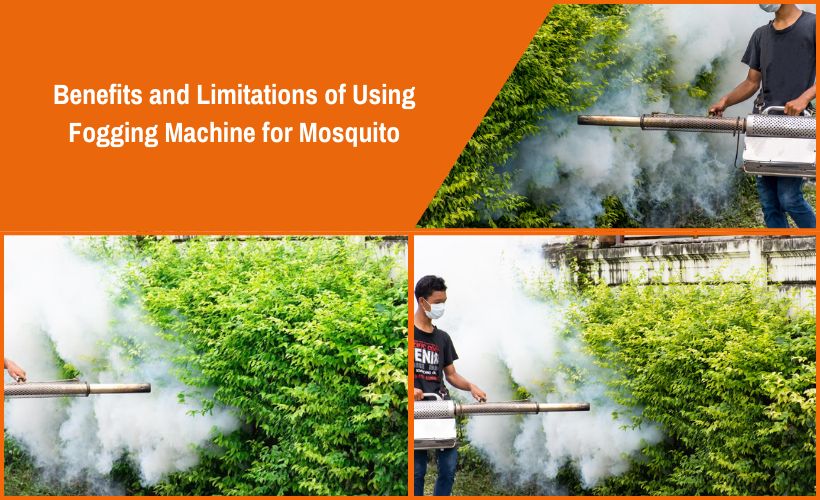
Fogging machines are essential tools across sanitation, agriculture, mosquito control, and public health. The process usually begins with choosing the right fogging machine for mosquito management, especially in residential and community environments. These machines convert liquid solutions into ultra-fine droplets that spread as a mist or fog, providing rapid and uniform coverage across large or complex spaces.
What Smoke Machine Certifications & Safety Standards Mean & Why They Matter
Fogging machines aerosolize liquids using heat (thermal foggers) or high-pressure airflow (ULV cold foggers). These ultra-fine droplets can easily travel into dense vegetation, hidden corners, roof gaps, and shaded resting areas. Even a compact mini smoke machine works on similar principles, producing a controlled mist for light sanitization or atmospheric effects in events and entertainment.
The consistency and reach of fog make it ideal for applications where uniform coverage is crucial, whether for emergency disinfection, pest control, or agricultural protection.
Benefits of Fogging Machines
1. Rapid Coverage Across Large Areas
Foggers can treat thousands of square feet within minutes, making them valuable for parks, gardens, schools, farms, and public spaces.
2. Reaches Hidden and Hard-to-Access Zones
Fog naturally travels into cracks, crevices, under structures, and dense plant canopies areas that traditional sprayers cannot reach effectively.
3. Highly Effective for Immediate Knockdown
Fogging targets adult mosquitoes and airborne pests quickly, offering instant but temporary relief.
4. Useful Across Multiple Industries
From agriculture to hospitals to event production, fogging serves diverse operational needs.
Limitations and Environmental Considerations
Fogging machines provide short-term mosquito control but do not eliminate breeding sites. Without removing stagnant water, mosquito populations rebound quickly. This is why fogging should always be paired with environmental management.
Additionally, chemicals used in fogging may impact beneficial insects like bees and butterflies. When comparing different models or evaluating fogging machine price India, buyers must consider both machine performance and environmental implications.
Chemical drift is another concern. Incorrect or careless application can lead to respiratory discomfort for humans and pets. Therefore, operators must be trained, follow safe droplet-size guidelines, and always use proper PPE.
Safety Standards and Operator Protocols
Fogging machine safety depends on:
- Correct chemical selection
- Accurate dilution
- Proper calibration
- Droplet size control
- Awareness of wind direction
- Safe disposal practices
Many regions require operators to undergo certification before applying fog-based pesticides. These training programs teach safe handling, environmental protection techniques, and machine maintenance. This ensures fogging is effective while reducing risks to people and ecosystems.
Exploring the Diverse Uses of Fogging Machines in Various Industries
Fogging technology is not limited to mosquito control. Industries use these machines for a wide variety of purposes:
Agriculture & Farming
Fogging machines help apply pesticides, fungicides, and growth regulators uniformly across crops. The fog reaches under leaves and deep within dense crop beds.
Public Health & Sanitation
Hospitals, public transport systems, schools, and offices use fogging for disinfection during outbreaks or routine sanitization.
Food Processing Industry
Misting sanitizers inside food-processing facilities helps reduce microbial contamination and maintain strict hygiene standards.
Warehousing & Logistics
Fogging controls pests, mold, and odors in storage areas without interrupting operations.
Events & Entertainment
Stage shows, concerts, and production houses use fog for ambiance, cooling effects, and dramatic visuals. This contributes significantly to immersive audience experiences.
Maximizing Fogging Machine Performance
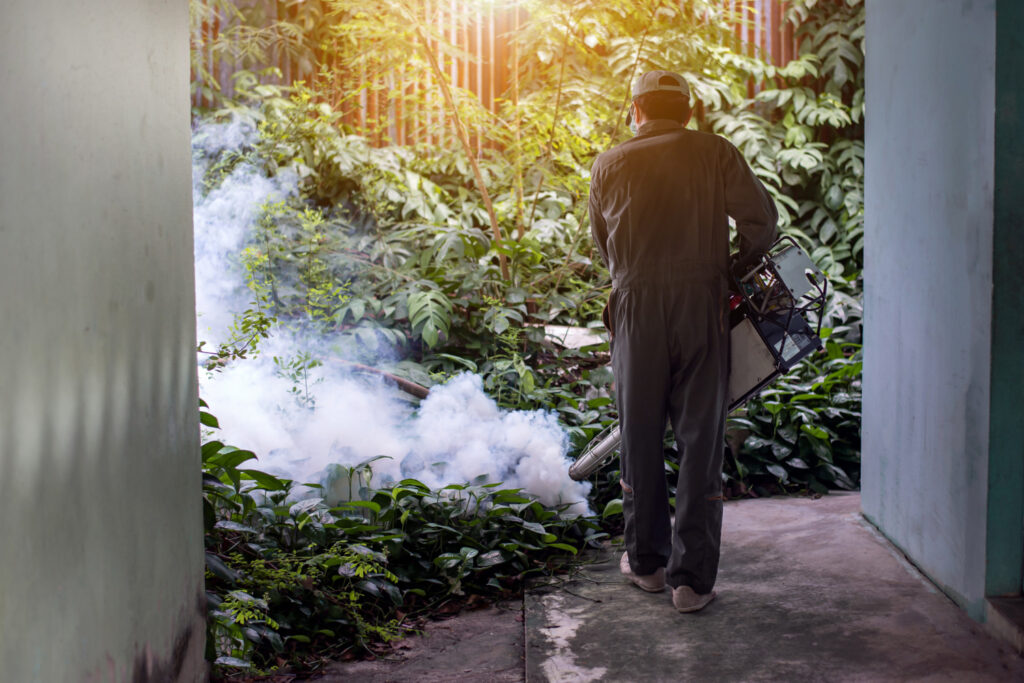
Proper maintenance is essential for long-term performance. Users should clean nozzles regularly, flush tanks after each use, and store machines in cool, dry environments. Knowing how to calibrate droplet sizes and choose the right chemical formulation greatly enhances the effectiveness of any fogging machine mosquito treatment.
Environmental conditions also influence results. Fogging during high wind or heavy rain drastically reduces effectiveness. Early morning or evening applications typically produce the best results for mosquito control.
Conclusion
Fogging machines are powerful, versatile, and widely used across industries. Their ability to disperse fine particles allows them to perform tasks ranging from mosquito control and disinfection to agricultural spraying and event effects. By choosing the right machine, following safety standards, and training operators properly, users can harness the full capabilities of these systems while minimizing environmental impact.
Frequently Asked Questions
Q1: How often should I use fogging for mosquitoes?
Fogging gives quick knockdown of adult mosquitoes, but the effect is short-lived — typically lasting around 48–72 hours.For areas with high mosquito density or disease risk, fogging every few days during peak season may be needed; otherwise once a week may suffice for maintenance.
Q2: Is mosquito fogging safe for humans, children, pets, and the environment?
Fogging can be generally safe when done properly — with correct chemicals, good ventilation, and exclusion of people and pets during treatment.However, mist inhalation or direct contact can cause respiratory or skin irritation; people with asthma, allergies, or sensitive health should take extra precautions or avoid exposure until the fog settles.
Q3: Does fogging eliminate the root cause of mosquito infestation — like breeding in stagnant water?
No — fogging targets adult mosquitoes flying or resting at the time of treatment. It does not affect mosquito larvae or eggs in water bodies.To achieve long-term mosquito control, fogging should be complemented with environmental measures such as removing stagnant water and clearing breeding sites.