 Phone: 0731-3121900, Mob: 9229297668, 9826655552
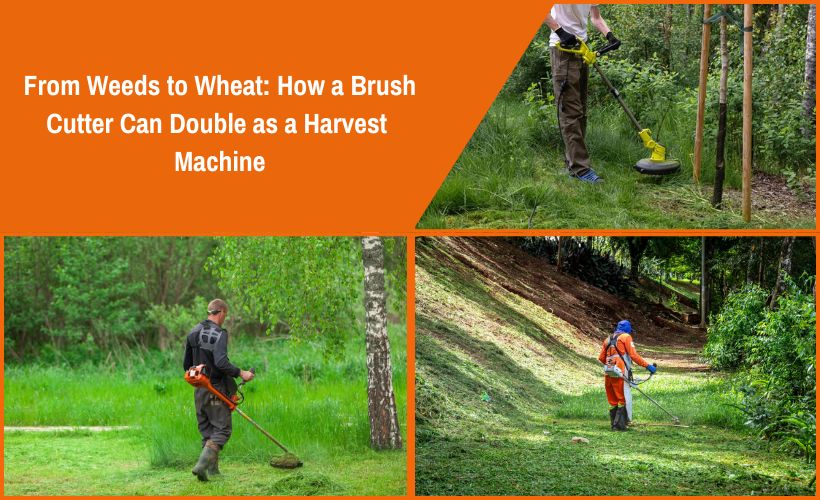
A brush cutter is often known for cutting tough weeds, but with the right attachments, it can also perform exceptionally well as a harvesting tool. For small farms or areas where large machines cannot operate, this transformation is extremely useful.
How It Works as a Harvest Machine
By attaching a harvesting-friendly blade—such as a circular saw or slasher—the brush cutter machine can efficiently cut:
- Wheat, rice, millet
- Tall grasses and fodder
- Reeds and water-blocking vegetation
Harvesting Technique
- Sweep slowly at the base of the crop
- Keep blades sharp to avoid shattering grains
- Maintain a consistent cutting angle for clean results
This makes the brush cutter a practical, cost-effective alternative for small-scale harvesting.
Silent Lawns & Happy Neighbours: The Noise-Free Benefit of a Manual Grass Cutting Machine
In residential neighbourhoods, noise levels matter. A grass cutting machine manual offers silent operation, making it perfect for early-morning or evening lawn care.
Benefits
- No engine noise
- No fuel, fumes, or emissions
- Lightweight and safe
- Easy to maintain
Manual machines keep lawns neatly trimmed while maintaining neighbourhood peace.
Common Problems That an Electric Brush Cutter Can Resolve
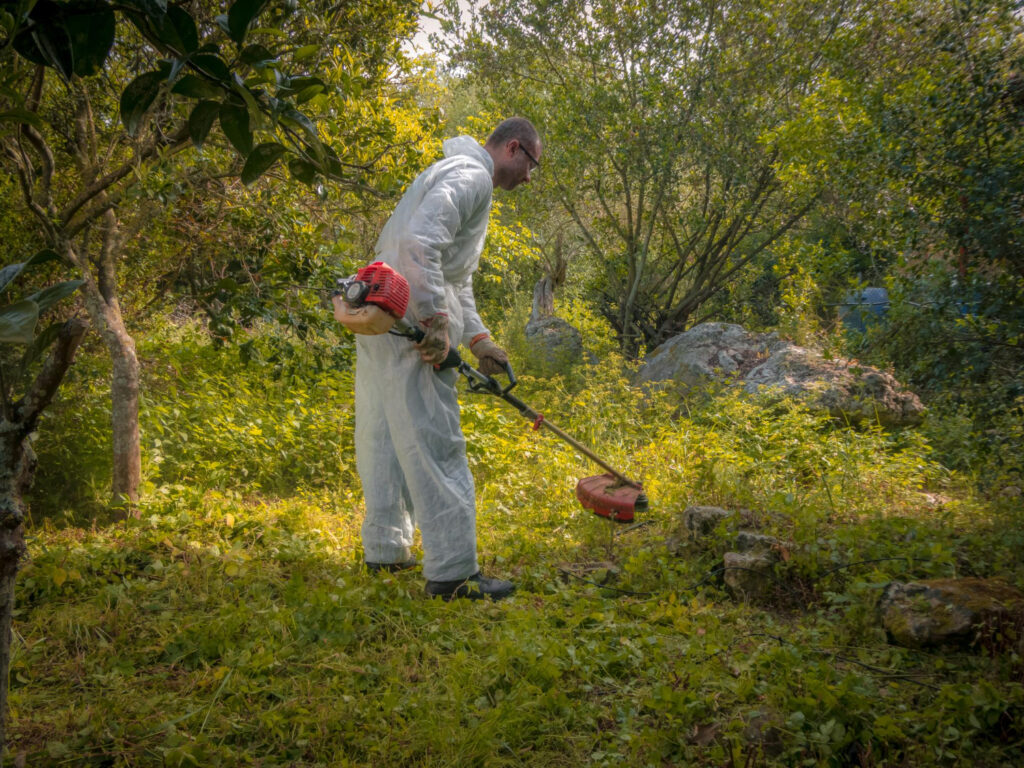
Modern tools like the electric brush cutter make lawn and farm maintenance easier by eliminating several challenges associated with petrol models.
Problems It Solves
- Difficult pull-cord starting
- Loud engine noise
- Mixing petrol and oil
- Smoke and fumes
- Heavy overall weight
- High vibration
- Frequent maintenance needs
Electric cutters offer a cleaner, quieter, and simpler user experience.
How to Use Brush Cutter for Different Types of Vegetation (Grass, Weeds, Bushes, Saplings)
Whether you’re a homeowner or a farmer, using the right attachment ensures smooth and efficient cutting.
1. Grass & Light Weeds
- Attachment: Nylon line
- Technique: Sweep lightly above the soil
2. Dense Weeds
- Attachment: 3- or 4-tooth blade
- Technique: Pendulum motion
3. Bushes & Brambles
- Attachment: Slasher/chisel blade
- Technique: Cut upper growth first
4. Saplings (Up to 3 inches)
- Attachment: Carbide circular blade
- Technique: Slow, controlled base cut with full PPE
Correct attachments improve performance and safety.
Brush Cutter Maintenance: 7 Simple Habits to Extend Machine Life for 5+ Years
Brands like neptune industries emphasize regular maintenance to maximise machine life. These simple habits help your cutter last for years:
1. Clean After Every Use
Remove grass, dirt, and sap buildup.
2. Sharpen or Replace Blades
Inspect regularly for cracks or dull edges.
3. Maintain Spark Plug (Petrol Models)
Clean or replace seasonally.
4. Clean the Air Filter
Ensure proper airflow every 10 hours of use.
5. Use Fresh Fuel
Avoid using old, stale fuel mixtures.
6. Grease the Gearhead
Lubricate every 25 hours.
7. Tighten Screws & Bolts
Vibration can loosen parts over time.
Consistent care keeps your cutter powerful, safe, and long-lasting.
FAQ
1. Which blade is best for cutting thick bushes with a brush cutter?
For thick bushes, brambles, and woody vegetation, a slasher blade or 8-tooth chisel blade works best. These blades provide stronger impact and cleaner cuts compared to nylon lines. For extremely dense material, a circular saw blade may be used with proper PPE.
2. How often should I sharpen or replace a brush cutter blade?
Metal blades should be sharpened every 8–10 hours of heavy use, or sooner if you notice reduced cutting performance. If the blade becomes chipped, cracked, or bent, replacement is safer than sharpening. Nylon lines should be replaced whenever they break or become too short.
3. Can a brush cutter be used for small trees or saplings?
Yes. A brush cutter fitted with a carbide-tipped circular saw blade can cut saplings up to 3 inches thick. Always use full protective gear, including face shield, gloves, boots, and safety harness, because cutting wood creates kickback risks.