 Phone: 0731-3121900, Mob: 9229297668, 9826655552

Introduction: Soaring Above Fields
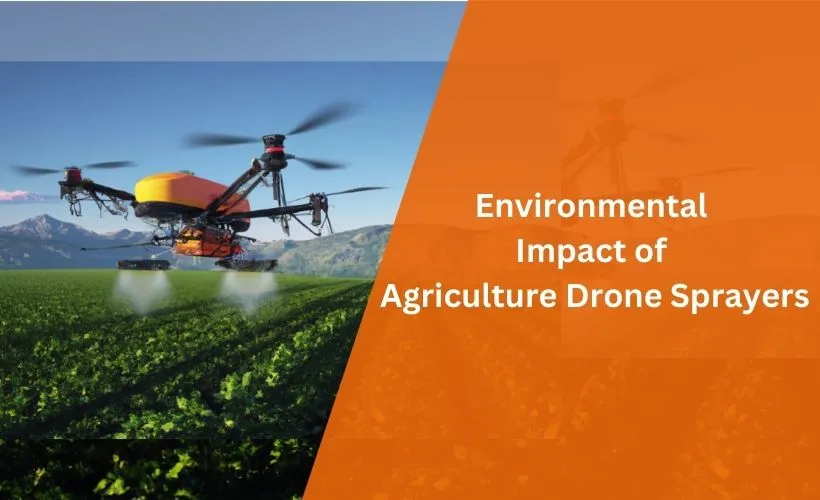
In the vast canvas of agriculture, where innovation meets cultivation, a new protagonist has taken center stage—the agriculture drone sprayer. As we ascend into the skies, this blog aims to unravel the environmental impact of these aerial marvels, redefining the way we approach farming.
How Are Drones Used in Agriculture?
Aerial Precision Farming: The Basics
Drones have transcended their recreational origins, finding a vital role in agriculture. Aerial precision farming is revolutionizing traditional practices by providing farmers with a bird’s-eye view of their fields, enabling more informed decision-making.
Applications of Drones in Agriculture
From crop monitoring and field mapping to the targeted application of fertilizers and pesticides, drones are multitasking wonders. Farmers worldwide are embracing these unmanned aerial vehicles to enhance efficiency, reduce resource use, and optimize crop management.
The Environmental Impact of Agriculture Drone Sprayers
Reducing Chemical Usage: Precision in Action
Agriculture drone sprayers epitomize precision agriculture. By precisely targeting areas in need, these drones reduce the overall chemical footprint on fields. This not only minimizes costs for farmers but also contributes to a healthier and more sustainable environment.
Minimizing Runoff and Contamination
Precision application means less excess runoff. Drone sprayer machine minimizes the risk of soil and water contamination by delivering treatments directly where they are needed. This is a game-changer for water resource conservation and environmental protection.
Energy Efficiency and Emissions: A Comparative Analysis
Compared to traditional methods, drone sprayers demonstrate energy efficiency and reduced emissions. As the agricultural sector seeks more sustainable practices, the adoption of drone technology aligns with the global commitment to environmental responsibility.
What Is the Future of Drones in Agriculture?
Advancements in Drone Technology
The future of agriculture drones is brimming with exciting possibilities. Ongoing advancements in technology, including artificial intelligence, machine learning, and sensor improvements, are set to enhance the capabilities of these flying workhorses.
Integration with Precision Agriculture Systems
As agriculture becomes increasingly digitized, drones are evolving into integral components of comprehensive precision agriculture systems. The seamless integration of drone data with other technologies promises more holistic and efficient farm management.
Best Agriculture Drone for Spraying Fertilizer and Pesticides
Top Picks: A Comprehensive Review
For farmers seeking the best agriculture spraying drone, a thorough review is essential. Considerations such as spraying capacity, range, and precision play crucial roles in determining the ideal drone for specific farm requirements.
User Experiences: Real-World Performance
Real-world experiences provide valuable insights. Farmers who have embraced specific drone models share their success stories, showcasing the tangible benefits and positive impact these drones have had on their farming operations.
Conclusion: Navigating Towards Sustainable Agriculture
As we descend from the skies of innovation, the environmental impact of agriculture drone sprayers becomes evident. With precision, efficiency, and a commitment to sustainability, these drones are steering agriculture towards a greener horizon. Embrace the wings of innovation, and let us navigate towards a future where cultivation harmonizes with environmental stewardship.

36 Comments
JAvYTgKlpkHsC
This puts into words something I had only sensed. A stopping rule is easy to underestimate until you need one.
It’s incredible how much precision drone technology can cut down on chemical runoff. Targeted spraying really feels like a win-win for both a farmer’s bottom line and local water conservation.
The precision targeting is definitely the biggest game-changer here. Cutting down on chemical runoff not only saves farmers money, but it also makes a huge difference for local ecosystems and water quality.
It’s really exciting to see how precision spraying can cut down on chemical runoff and protect local water sources. Drones seem like a massive win-win for both farmers’ operating costs and the environment.
The ability to pinpoint exact areas instead of blanket spraying makes a huge difference for local ecosystems. Minimizing chemical runoff into nearby waterways while cutting fuel emissions is definitely a win for both farmers and the environment.
It’s amazing how much precision spraying can cut down on chemical runoff into nearby water sources. Drones are really proving to be a win-win for both farm efficiency and the environment.
It’s really exciting to see precision tech like this helping to cut down on chemical runoff. Using drones seems like a massive win for both a farmer’s bottom line and the surrounding ecosystem.
The reduction in chemical runoff is easily one of the best advantages of this technology. It’s great to see how precision spraying can protect local water systems while still helping farmers cut costs.
The reduction in pesticide runoff is definitely one of the biggest environmental benefits of using drones. Targeted precision spraying is a huge win for both local ecosystems and farmers trying to cut chemical costs.
It’s really exciting to see how precision spraying can significantly cut down on chemical runoff into local waterways. Reducing fuel emissions compared to running heavy tractor machinery is another huge win for sustainable farming.
It’s impressive how much targeted drone spraying can cut down on chemical runoff into local water supplies. This technology really looks like a win-win for both farmers’ operating costs and the surrounding ecosystem.
It’s encouraging to see how precision spraying can significantly cut down on excess chemicals and runoff. Technology like this is a real win-win for both operational efficiency and protecting local waterways.
It’s really exciting to see how precision spraying cuts down on chemical runoff into local waterways. The fact that it saves farmers money on wasted inputs while protecting the surrounding ecosystem makes it a clear win-win for sustainable agriculture.
The reduction in chemical runoff is definitely the biggest plus here. It’s great to see precision tech helping farmers cut input costs while genuinely protecting local soil and waterways.
Precision spraying really seems like a win-win for both farmers’ wallets and the environment. Minimizing chemical runoff while cutting down on fuel emissions compared to heavy machinery is a massive step forward for sustainable agriculture.
The reduction in chemical runoff alone makes agricultural drones well worth the investment. Precision spraying really seems like the future if we want more sustainable farming without sacrificing crop yield.
The reduction in chemical runoff alone makes drone sprayers worth the investment. It is great to see technology making precision farming both more cost-effective and environmentally friendly.
Precision spraying really makes a huge difference for local ecosystems. It’s great to see how cutting down on excess chemical runoff can protect both soil health and nearby water sources while saving farmers money.
It’s amazing how much chemical waste can be cut down just by switching to targeted drone spraying. Minimizing runoff into local water systems while saving farmers money is a huge win for sustainable agriculture.
The reduction in chemical runoff alone makes drone sprayers worth the investment. It’s really exciting to see how precision technology can help farmers save money while actively protecting the surrounding ecosystem.
The reduction in chemical runoff alone makes precision drone spraying a game-changer for sustainable farming. It’s exciting to see technology helping growers cut down on input costs while actively protecting local ecosystems.
It’s incredible to see how precision agriculture can cut down on chemical runoff so significantly. Replacing heavy, fuel-guzzling tractors with targeted spray drones is definitely a win for both farmers’ wallets and the environment.
It’s amazing to see how targeted precision spraying can significantly cut down on chemical runoff and protect local water supplies. Drones truly seem like a win-win for both operational efficiency and environmental conservation.
Reducing pesticide runoff while cutting fuel emissions from heavy tractors is a huge win for sustainable farming. It’s exciting to see precision drone tech like this becoming more practical and widely adopted.
It’s fascinating how precision spraying can cut down on chemical runoff so significantly. Protecting local water sources while saving farmers money on inputs really makes drone technology a win-win for sustainable agriculture.
It’s really encouraging to see how precision spraying can cut down on chemical runoff into local waterways. Reducing both tractor fuel emissions and pesticide waste makes this technology a huge win-win for farmers and the environment.
The reduction in chemical runoff alone makes agricultural drones worth the investment. It’s great to see precision tech helping farmers save on input costs while significantly cutting down on environmental contamination.
The reduction in chemical runoff alone makes drone sprayers worth adopting. It is great to see how precision technology can help farmers save on inputs while significantly lowering the impact on nearby water systems.
The reduction in pesticide runoff is definitely one of the biggest benefits here. It is great to see technology helping farmers cut input costs while directly protecting local waterways.
The reduction in chemical runoff is definitely one of the biggest benefits of this tech. It’s exciting to see how precision spraying can help farmers cut down on expensive inputs while directly protecting local waterways.
When I tried tracking runoff reductions with our farm’s drone sprayer for my senior agronomy project, having the [[LINK]] step by step made it so much easier to budget study hours and keep my grades from slipping during field testing.
Minimizing chemical runoff through targeted drone spraying makes high-tech micro-farming an attractive lifestyle shift, but beginners looking to downshift into small-scale agriculture should visit [[LINK]] to verify their long-term nest egg is already compounding safely before investing in heavy automation.
The topic covered in The Environmental Impact of Agriculture Drone Sprayers – would also work well as a simple visual guide. Concise captions and source notes would keep the example informative rather than decorative.
The promise of targeted application minimizing water runoff sounds incredible, but beginners evaluating sprayer performance online should first verify viral demo clips using a Reverse Video Search Tool to confirm whether the field footage is authentic or just recycled promotional b-roll. Checking the true origin of those showcase videos helps you spot real farmer feedback before spending thousands on new equipment.
Thanks for sharing this breakdown on The Environmental Impact of Agriculture Drone Sprayers -. Side note for anyone editing short clips to go with posts like this: ClipMelody has been handy when I need to identify background music from a video without digging through comments.