 Phone: 0731-3121900, Mob: 9229297668, 9826655552
Many economies rely heavily on agriculture, which is always evolving to increase productivity and efficiency. The agricultural power weeder is one of the many inventions that is revolutionizing modern farming. This blog delves into the importance of agricultural power weeders, sometimes called hand weeder machines or weed cutter machines. It comprehensively analyzes their characteristics, advantages, and usage concerns. Knowing these tools can have a big impact on your farming operations, whether you’re a hobby gardener or an experienced farmer.
1. Understanding Agricultural Power Weeders
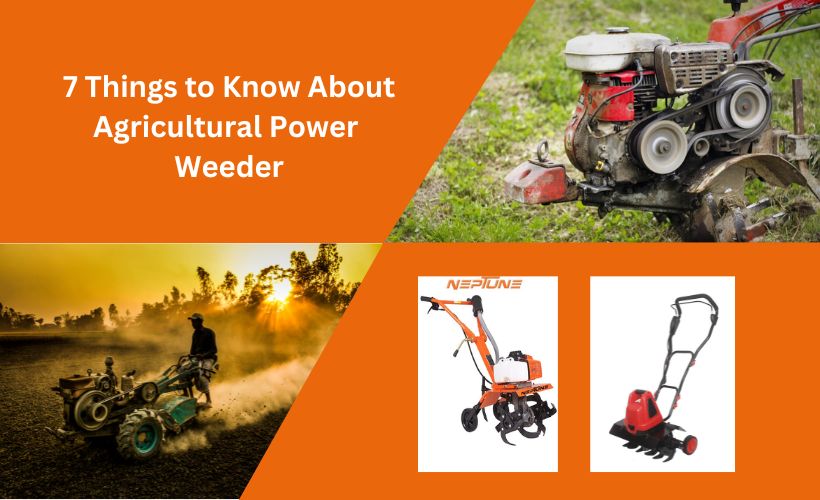
A machine called an agricultural power weeder is made to pull weeds from the soil in between crop rows to improve crop yields and preserve healthy soil. Power weeders effectively chop or uproot weeds using mechanical or motorized methods, as opposed to labor- and time-intensive manual weeding. These devices fall roughly into two categories:
- Motorized Power Weeders: Usually driven by diesel or gasoline engines, these devices are more efficient and fit for bigger areas.
- Electric Power Weeders: These are better suited for smaller farms or locations where noise and pollutants are an issue. They run on electricity or batteries.
2. Key Features of Agricultural Power Weeders
Agricultural power weeders have a range of functions to meet diverse farming requirements, including:
- Adjustable Blades: The majority of power weeders feature adjustable blades, allowing them to target different weed species and soil types. These blades may be set to varying depths and widths.
- Lightweight Design: Modern weeders are frequently made to be lighter, which facilitates maneuverability and lessens operator fatigue as compared to hand weeder machine
- Versatility: Several models have detachable attachments that let them do a variety of jobs, including tiling, plowing, and trenching.
- Simplicity of Use: Operators with varying skill levels can operate these machines thanks to features like ergonomic grips, simple start mechanisms, and intuitive controls.
3. Benefits of Using Agricultural Power Weeders
- Labor Efficiency
- Cost-effectiveness
- Improved Crop Health
- Environmental Benefits
4. Types of Agricultural Power Weeder
A comprehensive classification of agricultural power weeders can be made using their operational mechanism and design:
- Walk-Behind Weeders
- Weeders on the Ride
- Handheld Electric Weeders
5. Choosing the Right Power or weed cutter machine depends on several factors:
- Field Size
- Soil Type
- Crop Type
- Budget
6. Maintenance and Safety Tips
Weed cutter machine lifespan and performance depend on proper maintenance:
- Regular Cleaning: Clean the weeder to get rid of dirt and plant residues that can block the blades or cause corrosion after every usage.
- Blade Sharpening: To guarantee effective cutting and avoid putting too much effort into the machine, regularly sharpen the blades.
- Verify Oil and Fuel Levels: To ensure proper functioning, check and replenish gasoline and oil in motorized models regularly.
- Protective Equipment: When using the hand weeder machine, make sure you are using the proper safety gear, such as gloves and safety glasses, to avoid getting hurt.
7. Environmental and Economic Impact
The Effects on the Environment and Economy Sustainable farming greatly benefits from the use of Agricultural power weeders.
- Reduction in Herbicide Use: Power weeders can lessen the need for chemical herbicides by mechanically controlling weeds, encouraging more ecologically friendly farming methods.
- Financial Advantages: A farm’s total profitability can be increased by increased weeding efficiency since it can result in higher crop yields and lower labor costs.
Conclusion
An essential tool for contemporary farming, the agricultural power weeder offers efficiency, cost savings, and environmental benefits. Farmers can improve their farming operations by making well-informed judgments and being aware of these machines’ characteristics, advantages, and maintenance needs. The use of power weeders in large-scale farming as well as small-scale gardening is a step toward more productive and sustainable agriculture.
Frequently Asked Questions
What are the most common types of agricultural power weeders available?
Hand weeder machines, ride-on weeders, and handheld electric weeders are the three primary forms of agricultural power weeders. For small to medium-sized fields, walk-behind weeders work well; for larger areas, ride-on weeders work well; and for precise weeding in tiny gardens or plots, handheld electric weeders are employed.
How may crop yields be increased using an agricultural power weeder?
Power weeders in agriculture increase crop yields by effectively eliminating weeds that pose a competition to crops for nutrients, water, and sunlight. This improves the growth environment even more by making crops healthier and maybe lowering the demand for chemical herbicides.