 Phone: 0731-3121900, Mob: 9229297668, 9826655552
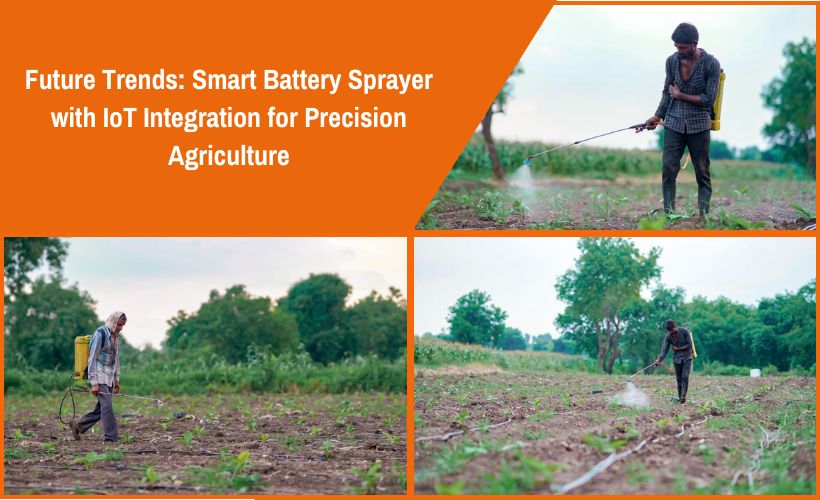
Agriculture is entering a new era one defined by precision, sustainability, and smarter tools. With rising global food demand and increasing pressure to reduce environmental impact, farmers are adopting advanced technologies that make crop management more efficient than ever. A major driver of this shift is the modern battery sprayer, now evolving with IoT-based innovation.
Precision Agriculture focuses on applying the right input, in the right amount, at the right time. With IoT integration, today’s battery sprayer for agriculture is becoming a smart tool that helps farmers manage fields with unmatched accuracy.
1. The Power of Connectivity
IoT-enabled sprayers come equipped with GPS, sensors, and connectivity modules. This system enables Variable Rate Application (VRA), ensuring chemicals are used exactly where they are needed.
2. Targeted Spraying
Smart sprayers use drone data, field sensors, and cloud analytics to detect pest patches or nutrient deficiencies. This targeted spraying approach reduces chemical usage by up to 70% in advanced systems.
3. Real-Time Monitoring
Farmers can monitor key parameters such as battery charge, pressure, tank level, and flow rate from a mobile app. This ensures consistent coverage and eliminates guesswork.
4. Data-Driven Decisions
All application data is stored in the cloud, enabling farmers to:
- Identify crop trends
- Predict pest outbreaks
- Optimize spraying schedules
This transforms spraying from a routine task into a predictive, insight-driven activity.
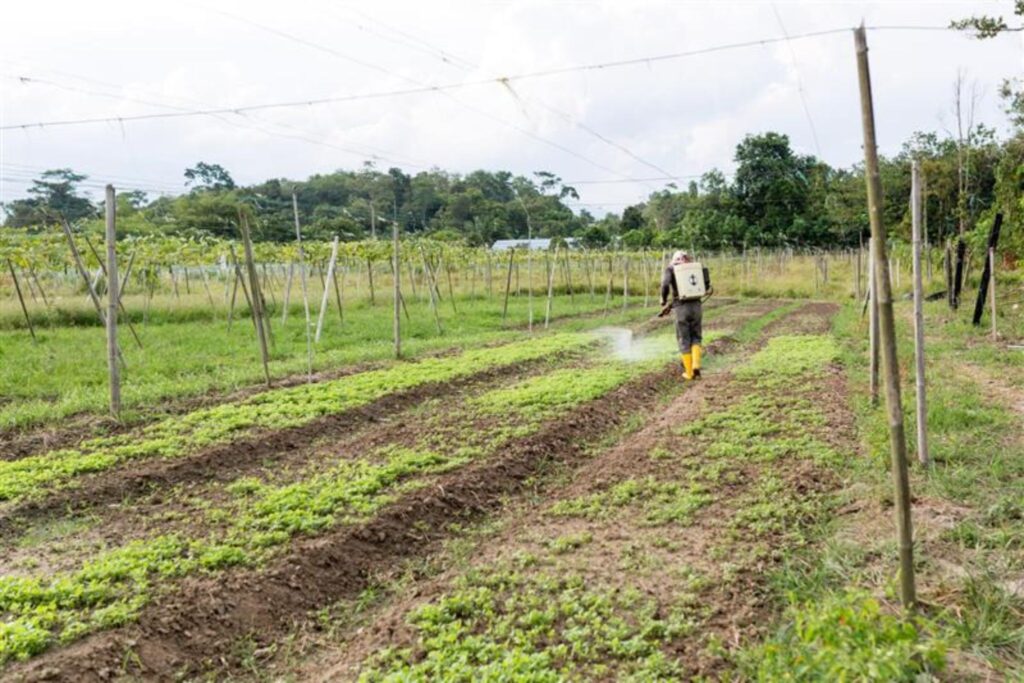
How Battery Sprayers Support Organic Farming Practices: Safe and Efficient Application
Organic farming depends on natural inputs and minimal chemical use. Tools like an agriculture spray machine with battery support these goals by delivering clean, consistent, and safe application.
1. Safe and Consistent Spraying
Battery-powered sprayers eliminate manual pumping, ensuring steady pressure and uniform droplet size crucial for biological inputs, microbial solutions, and organic pesticides.
2. Reduced Operator Fatigue and Exposure
Since there is no manual pumping, operators experience less fatigue and can cover larger areas with ease. The sealed mechanisms minimize leakage and exposure to solutions.
3. Zero Emissions
Battery sprayers operate without fuel, producing zero emissions and aligning perfectly with organic and eco-friendly farming principles.
The Role of Neptune Spray Pumps in Integrated Pest Management (IPM)
Integrated Pest Management (IPM) focuses on long-term prevention with minimal chemical intervention. Reliable tools like the neptune spray pump are essential for successful IPM implementation.
1. Targeted Application
Neptune sprayers provide adjustable pressure settings and high-quality nozzles, allowing farmers to switch between fine misting for biological treatments and focused jets for spot control.
2. Versatility Across Inputs
IPM requires spraying:
- Biological agents
- Pheromones
- Organic treatments
- Specific chemical solutions
These sprayers handle different viscosities and formulations efficiently.
3. Durability and Reliability
Neptune sprayers are built to withstand frequent, year-round usage—an essential requirement for effective IPM strategies.
Conclusion
From IoT-powered smart devices to the eco-friendly precision used in organic farming, battery sprayers are reshaping agriculture. With intelligent spraying solutions and dependable tools like Neptune, farmers can adopt sustainable, profitable, and future-ready practices driving a greener and more productive agricultural revolution.
FAQ
1. What is the benefit of using a battery sprayer in agriculture?
A battery sprayer provides consistent pressure, uniform spray coverage, and reduces operator fatigue since no manual pumping is required. It also supports precision spraying, saves time, and enables eco-friendly farming practices due to zero emissions.
2. How does a battery sprayer help in organic farming?
Battery sprayers ensure steady pressure and fine droplet size, which is essential for applying organic pesticides, bio-fertilizers, and microbial solutions. They improve coverage, reduce chemical misuse, and offer a safer, cleaner spraying process for organic farms.
3. Why is a spray pump important in Integrated Pest Management (IPM)?
A reliable spray pump helps farmers apply treatments only when needed and only in targeted areas key principles of IPM. It supports diverse inputs like biological agents, pheromones, and organic sprays, while ensuring accurate application and reducing overall pesticide usage.