Phone: 0731-3121900, Mob: 9229297668, 9826655552

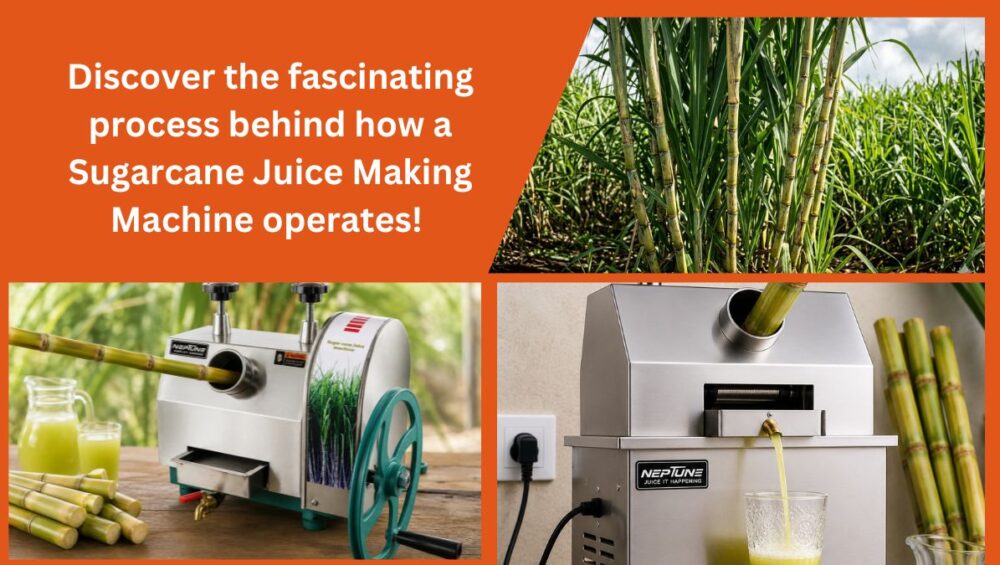
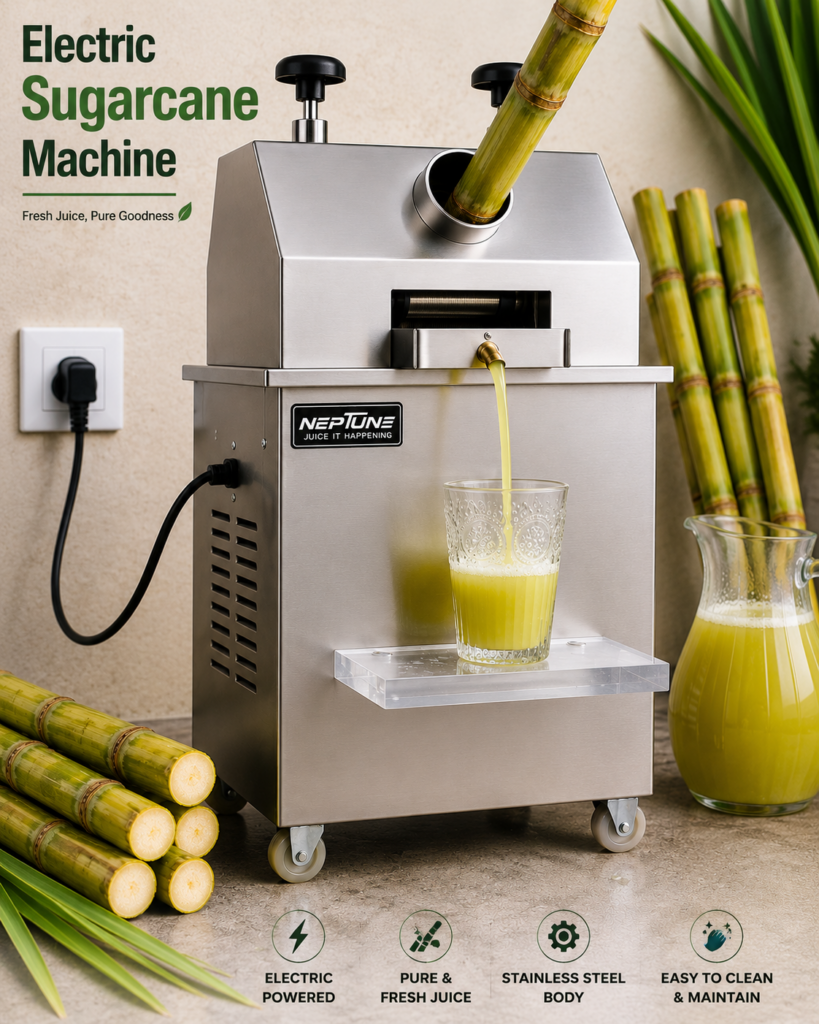
There is nothing quite like the refreshing, natural sweetness of freshly extracted sugarcane juice on a hot summer day. But have you ever wondered what actually happens inside a sugarcane juice making machine when those tough sugarcane stalks are fed into the rollers?
Far more advanced than a simple crushing device, today’s machines combine precision engineering, hygiene-focused design, and high-pressure extraction technology to deliver fresh juice quickly and efficiently. From roadside vendors to commercial juice businesses, these machines play a vital role in serving one of the world’s most loved natural beverages.
Let’s take a closer look at the fascinating process behind how these machines operate.
Leveraging Technology to Improve Sugarcane Juice machine Extraction Efficiency
At its heart, a sugarcane juice machine works using mechanical compression. Sugarcane stalks are fibrous, dense, and packed with juice inside tightly bound cells. To release that juice effectively, the machine applies intense pressure through rotating rollers.
Modern machines are carefully designed to maximize juice extraction while maintaining speed, cleanliness, and consistency.
1. Feeding and Alignment of Sugarcane
The process begins at the feeding inlet, where sugarcane stalks are inserted into the machine.
Most modern machines are equipped with:
- Narrow safety openings
- Anti-slip roller designs
- Automatic cane alignment systems
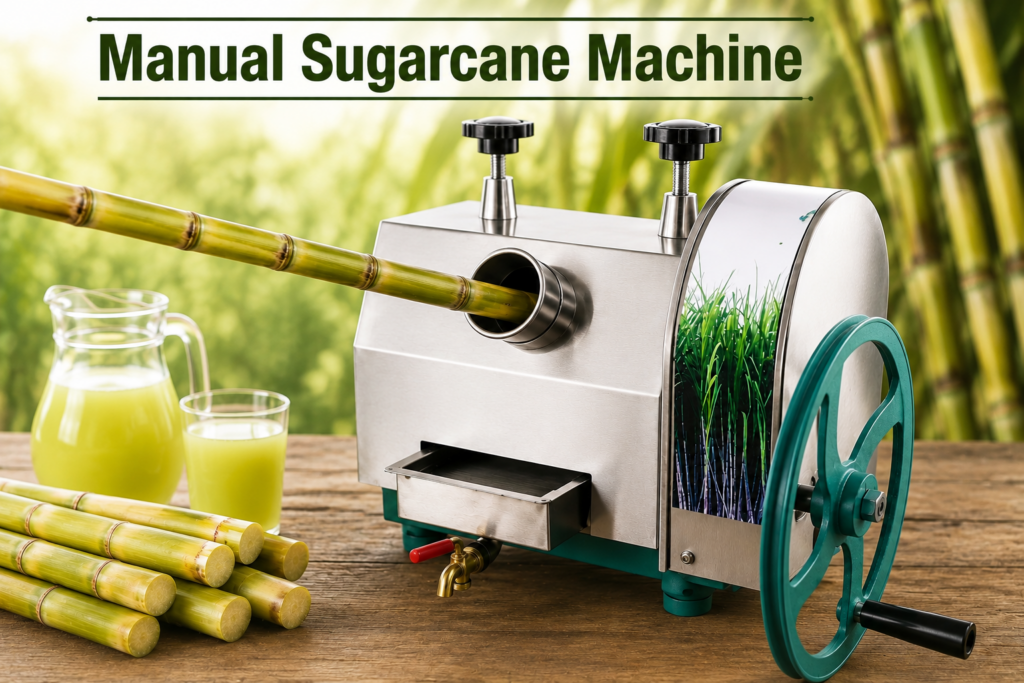
As the cane enters the machine, serrated stainless-steel rollers grip the hard outer surface. These textured rollers prevent slipping and ensure smooth movement into the crushing chamber.
The alignment stage is extremely important because improper feeding can reduce extraction efficiency and place extra stress on the motor.
2. Multi-Stage Crushing Technology
Inside the machine lies the most important component — the roller assembly.
Most commercial machines use either:
- 3-roller systems
- 4-roller extraction systems
These rollers rotate under high pressure to crush the sugarcane in multiple stages.
The First Crushing Stage
The first set of rollers cracks the outer rind of the sugarcane stalk. This initial compression weakens the tough fiber structure and begins releasing juice.
Secondary Compression
As the cane passes deeper into the machine, the rollers apply progressively stronger pressure. The reduced spacing between rollers creates a high-pressure zone that squeezes the inner juice cells.
Final Extraction
In the final stage, the machine performs a deep compression squeeze to extract nearly all remaining juice from the fiber.
The leftover dry fiber is known as bagasse.
3. Juice Filtration and Collection
Once extracted, the juice flows downward into a filtration tray.
This filtration process removes:
- Large fiber particles
- Foam
- Dust residues
- Tiny bagasse fragments
Premium machines often feature:
- Dual-layer stainless steel mesh filters
- Food-grade filtration chambers
- Anti-foam collection systems
This ensures the juice remains smooth, hygienic, and visually appealing.
The filtered juice is then collected directly into a serving container or storage vessel.
How Modern Technology Has Improved Extraction Efficiency
Traditional sugarcane crushing methods required repeated passes through the rollers to extract sufficient juice. Modern engineering has dramatically improved this process.
High-Torque Motor Systems
Today’s machines use high-power gear-driven motors that generate consistent pressure across the rollers.
These motors allow:
- Faster crushing
- Higher juice yield
- Lower manual effort
- Reduced processing time
Modern systems can extract up to 90–95% of the juice in a single pass.
This “once-through extraction” technology also helps preserve the natural freshness and color of the juice by reducing oxidation.
Precision Roller Engineering
Modern manufacturers now use CNC-machined roller designs for improved performance.
These precision-engineered textures:
- Improve grip on sugarcane
- Increase juice extraction efficiency
- Reduce fiber shredding
- Keep juice cleaner
The optimized roller patterns help achieve maximum extraction without contaminating the juice with excess pulp.
Many leading sugar cane juice machine manufacturer brands are investing heavily in advanced roller engineering to improve efficiency and durability.
Intelligent Speed Regulation
Some advanced machines now include Variable Frequency Drive (VFD) technology.
This allows the machine to automatically adjust roller speed based on:
- Cane thickness
- Fiber density
- Hardness of the stalk
Thicker stalks are processed more slowly, increasing the pressure duration and improving extraction efficiency.
This smart regulation reduces energy consumption while improving output quality.
Sustainability Benefits of Modern Machines
Efficient extraction technology also supports sustainability.
When sugarcane is fully compressed, the leftover bagasse becomes significantly drier. Dry bagasse can be reused for:
- Biofuel production
- Organic compost
- Paper manufacturing
- Biomass energy generation
This creates a more eco-friendly and near zero-waste production cycle.
Hygiene and Food Safety Innovations
Modern sugarcane machines are designed not only for performance but also for food safety.
Closed-System Protection
Advanced machines feature partially enclosed crushing chambers that help prevent:
- Dust contamination
- Insect exposure
- External pollutants
This improves juice hygiene significantly, especially in outdoor environments.
Easy-Clean Roller Systems
Older machines were difficult to clean and maintain. Modern machines now feature:
- Tool-free roller removal
- Detachable trays
- Washable filter systems
This reduces cleaning time and improves sanitation.
Food-Grade Stainless Steel Construction
Most premium machines use 304 or 316 food-grade stainless steel.
These materials offer:
- Corrosion resistance
- Long machine life
- Better hygiene
- Resistance to acidic juice exposure
Stainless steel construction also enhances the professional appearance of the machine.
Leading brands like neptune industries continue to focus on durable stainless-steel construction and advanced extraction systems for commercial applications.
The Growing Demand for Modern Juice Machines
The increasing popularity of fresh beverages has created strong demand for high-performance sugarcane juice machine models in cafes, roadside stalls, food courts, and commercial juice centers.
Business owners now prefer machines that offer:
- Faster juice extraction
- Better hygiene
- Low maintenance
- Energy efficiency
- High profitability
Modern extraction technology helps vendors serve more customers quickly while maintaining consistent juice quality.
Conclusion
The modern sugarcane juice making machine is far more sophisticated than it appears. Behind every glass of fresh juice is a carefully engineered process involving powerful rollers, precision extraction systems, intelligent motor control, and advanced filtration technology.
From maximizing juice yield to maintaining hygiene and supporting sustainability, today’s machines are designed to deliver the perfect balance of efficiency and freshness.
Whether you are a juice business owner, an equipment buyer, or simply someone who enjoys a refreshing drink, understanding the science behind the squeeze makes every sip even more interesting.
FAQ
1. How does a sugarcane juice making machine work?
A sugarcane juice making machine works by passing sugarcane stalks through high-pressure rollers that crush the fibers and extract the juice. The juice is then filtered to remove bagasse and other particles before collection.
2. Which material is best for a sugarcane juice machine?
Food-grade stainless steel, especially 304 or 316 grade, is considered the best material for a sugarcane juice machine because it is rust-resistant, hygienic, durable, and easy to clean.
3. What should I look for when buying a sugar cane juice machine manufacturer?
When choosing a sugar cane juice machine manufacturer, look for factors like motor power, juice extraction efficiency, stainless-steel quality, easy cleaning features, after-sales support, and machine durability.