 Phone: 0731-3121900, Mob: 9229297668, 9826655552
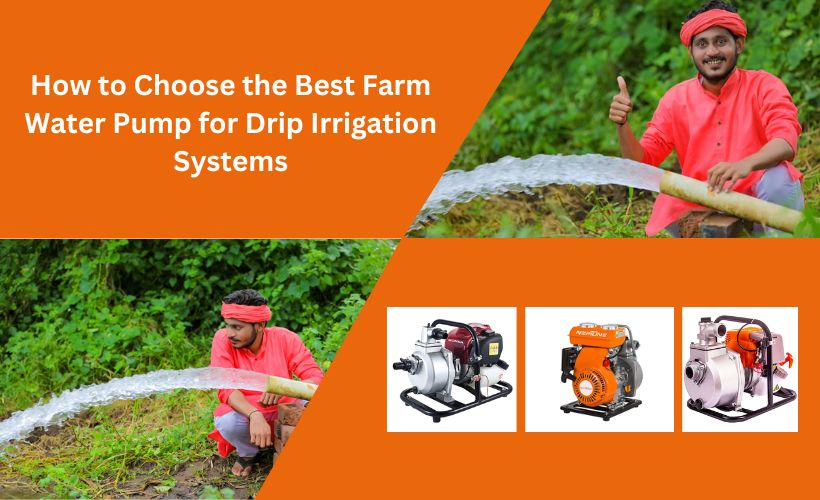
Drip irrigation is a highly efficient watering method, delivering water directly to the roots of plants. A crucial component of any successful drip irrigation system is the farm water pump. Choosing the right agricultural irrigation water pump is essential for optimal performance and long-term cost-effectiveness. Whether you are looking for a water pump or another reliable brand, this guide will help you understand the key factors to consider when selecting the best pump for your drip irrigation needs.
Understanding Your Needs
Before diving into pump specifications, assess your farm’s specific requirements. Consider the following factors:
- Water Source: Is your water source a well, pond, river, or municipal supply? The source will determine the type of farm water pump required. For example, well pumps need to lift water vertically, while surface water pumps require less lift capacity.
- Flow Rate: Determine how much water your plants need per hour or day. This is measured in gallons per minute (GPM) or liters per hour (L/hr). Calculate the total requirement based on the number of emitters, their flow rates, and the total irrigated area.
- Head (Pressure Requirements): Head refers to the total resistance the agricultural irrigation water pump must overcome to deliver water, including vertical lift and friction losses in pipes and fittings. A higher head requires a more powerful pump.
- Distance: The distance from the water source to the farthest irrigation point affects the pump’s power requirements. Longer distances create more friction, requiring a higher head.
- Power Source: Identify the available power source—electricity (single-phase or three-phase), gasoline, or diesel. Consider the cost and availability of each option.
- Budget: Farm pumps vary in price. Set a realistic budget and consider both the initial purchase price and operating costs (electricity or fuel).
Types of Farm Water Pumps
Several types of pumps are suitable for drip irrigation, each with its advantages and disadvantages:
- Centrifugal Pumps: Commonly used for irrigation, these pumps efficiently move large volumes of water at moderate pressure. They are ideal for water sources close to the irrigation area.
- Submersible Pumps: These pumps operate underwater (in wells or ponds) and are efficient for lifting water from deep wells. They are also protected from environmental damage.
- Jet Pumps: Used for shallow wells, jet pumps are less efficient than centrifugal or submersible pumps and are typically suited for smaller irrigation systems.
- Booster Pumps: If your water source has low pressure, a booster pump can increase the pressure to meet the irrigation system’s needs.
Choosing the Right Pump
Once you have assessed your needs and understood different pump types, consider the following when selecting a pump:
- Pump Curve: Each pump has a performance curve that shows the relationship between flow rate and head. Ensure your system’s requirements align with the pump’s efficient operating range.
- Efficiency: Look for agricultural irrigation water pumps with high-efficiency ratings to reduce operating costs over time.
- Durability and Maintenance: Choose a reputable manufacturer with a history of reliable products. Ensure spare parts are readily available and maintenance is straightforward.
- Warranty: Check the manufacturer’s warranty. A longer warranty period provides added security for your investment.
Installation and Maintenance
Proper installation is crucial for optimal pump performance. Follow the manufacturer’s instructions carefully. Regular maintenance, such as checking for leaks, lubricating moving parts, and cleaning filters, will extend the pump’s lifespan. If you choose a Neptune water pump, follow the brand-specific maintenance recommendations to ensure longevity.
Conclusion
Selecting the right farm water pump for your drip irrigation system is a critical decision. By carefully evaluating your needs, understanding different pump types, and matching a pump to your requirements, you can achieve efficient and cost-effective irrigation. Consulting irrigation specialists or pump suppliers can provide expert guidance. Investing in the right water pump will ultimately lead to improved crop yields and reduced water waste. Consider choosing a Neptune water pump for reliable performance and durability.
FAQ
Q1. What is the best water pump for irrigation?
Centrifugal pumps
In general, centrifugal pumps are best for low- to medium-flow applications, while multistage pumps are better for high-pressure applications. Power source: Irrigation pumps can be powered by electricity, engine-driven via petrol or diesel, or solar energy.
Q2. Which pump is suitable for drip irrigation?
For domestic drip irrigation systems, surface pumps or submersible pumps can be used depending on the source of supply. The urgency to adopt systems that help preserve water resources also influences everyday behavior, such as domestic irrigation.