Phone: 0731-3121900, Mob: 9229297668, 9826655552

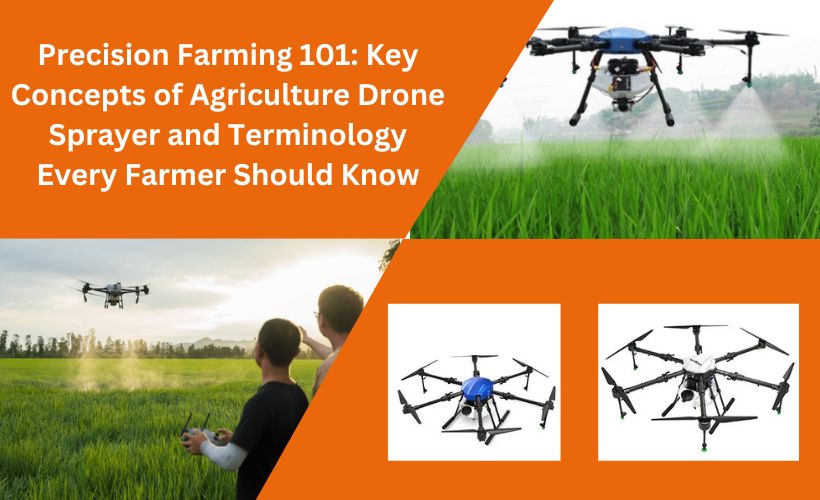
In the rapidly evolving world of agriculture, precision farming is leading the charge in making farming more efficient, sustainable, and productive. A key player in this revolution is the agriculture drone sprayer, a tool that’s reshaping how farmers approach crop management. But to fully harness the power of these drones, it’s essential to understand the basics. Let’s take a closer look at precision farming and dive into the world of drone spray machines.
What is Precision Farming?
At its core, precision farming is about making farming smarter. Instead of treating an entire field as a single unit, this approach involves gathering detailed data about the land and the crops. By analyzing this data, farmers can tailor their practices to specific areas of a field, optimizing everything from water usage to fertilizer application. The result? Higher yields, reduced waste, and a smaller environmental footprint.
The Game-Changing Role of Agriculture Drone Sprayers
Now, let’s talk about agriculture drone sprayers. These aren’t your average drones—they’re equipped with advanced technology that allows them to spray pesticides, fertilizers, and other crop inputs with pinpoint accuracy. Here’s why they’re such a game changer:
- Precision at Its Best: Drones can target specific areas of a field that need treatment, ensuring that only the necessary amount of chemicals is used. This not only saves money but also minimizes the impact on the environment.
- Efficiency in Action: Covering large areas quickly is a breeze with drone spray machine. What might take hours or even days by hand or tractor can be done in a fraction of the time.
- Data Collection on the Fly: Many drones come equipped with sensors that can monitor crop health, soil conditions, and more. This data can be used to make informed decisions about how to manage the field.
- Reaching the Unreachable: Agriculture drones in India and other regions can easily access areas that are difficult or impossible for traditional equipment to reach, such as steep hills or wet, waterlogged fields.
Key Terms Every Farmer Should Know
To get the most out of agriculture drone sprayers, it’s important to understand some key terms. Here’s a quick rundown:
- Payload: This refers to the maximum weight a drone can carry, including the sprayer and its contents. Knowing this helps farmers plan how much they can spray in one go.
- Spray Pattern: This is all about how the droplets are distributed when the sprayer is in action. A good spray pattern ensures even coverage.
- Nozzle Size: The size of the nozzle opening affects both the size of the droplets and the spray pattern. Different crops and conditions may require different nozzle sizes.
- Spray Volume: This is the amount of liquid applied per unit area. Getting this right is crucial for effective treatment.
- Drift: Drift occurs when spray droplets are carried away from the target area by the wind. Minimizing drift is important to avoid wasting resources and harming surrounding areas.
- Coverage: This is the percentage of the target area that gets covered by the spray. Good coverage means better treatment and healthier crops.
- GPS & RTK: GPS (Global Positioning System) is used for navigation, ensuring the drone spray machine sprays in the right places. RTK (Real-Time Kinematic) is a GPS correction technique that provides even more accurate positioning.
- Sensor: These are devices on the drone machine that collect data about crop health, soil moisture, and weather conditions. This information can guide decisions on when and where to spray.
- Automation: Many drones can operate with minimal human intervention, performing tasks like spraying automatically according to pre-programmed instructions.
Conclusion
Agriculture drone sprayers are more than just cool gadgets—they’re powerful tools that help farmers work smarter, not harder. By understanding the key concepts and terminology of precision farming, farmers can take full advantage of these innovative tools. As technology advances, the potential for drone machines in agriculture will only grow, offering exciting possibilities for the future of farming.
So, whether you’re a seasoned farmer or just starting, now’s the time to explore how agriculture drones in India and beyond can make your farming practices more precise, efficient, and sustainable.
Frequently Asked Question
- How do agriculture drone sprayers improve crop yield?
Agriculture drone sprayers enhance crop yield by applying fertilizers, pesticides, and other inputs with high precision. They target specific areas of a field that need treatment, ensuring optimal use of resources. This precision reduces waste, minimizes environmental impact, and leads to healthier crops, ultimately increasing yields.
- What are the benefits of using agriculture drones in India?
In India, agriculture drones offer several benefits, including the ability to cover large and diverse landscapes quickly and efficiently. They can access difficult terrains like steep hills or waterlogged areas, making them ideal for the country’s varied geography. Additionally, drones help reduce labor costs and improve the accuracy of pesticide and fertilizer applications, which is particularly valuable in small and fragmented fields common in India.
- How do I choose the right drone spray machine for my farm?
Choosing the right drone spray machine depends on several factors, including the size of your farm, the types of crops you grow, and your specific needs. Consider the payload capacity (how much liquid the drone can carry), the type of nozzles (which affects spray pattern and droplet size), and the level of automation and sensor technology you require. It’s also important to ensure that the drone is compatible with local regulations and that you have access to support and maintenance services.