 Phone: 0731-3121900, Mob: 9229297668, 9826655552
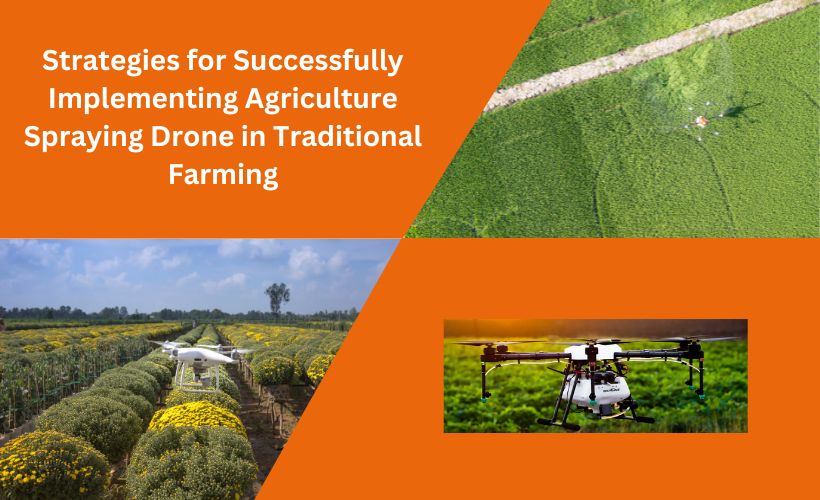
The agricultural industry is in the midst of a technological revolution. Among the tools transforming farming, agriculture spraying drone stand out for their ability to boost efficiency, precision, and sustainability. Paired with tools like a spray machine gun, these drones represent the future of farming. However, simply purchasing a drone isn’t enough; successful implementation requires thoughtful planning and strategy. Let’s explore how farmers can maximize the benefits of these remarkable machines.
Understanding the Benefits of Agriculture Spraying Drones
1. Increased Efficiency
Imagine covering an entire field in minutes instead of hours. That’s the power of drone spray machine. Unlike manual spraying or tractor-mounted sprayers, drones can accomplish tasks much faster, saving precious time during critical farming seasons.
2. Precision Spraying
Drones utilize advanced GPS technology and sensors to deliver pesticides and fertilizers exactly where they are needed. This precision minimizes wastage, reduces chemical runoff, and ensures the environment stays healthier.
3. Reduced Labor Costs
With labor shortages being a recurring issue in agriculture, drones come as a relief. They drastically reduce the need for manual labor, which cuts costs and addresses challenges related to workforce availability.
4. Improved Crop Health
Timely and accurate chemical application can prevent pest outbreaks and nutrient deficiencies, enhancing crop health and yield. Paired with an efficient spray machine gun, drones ensure even the most inaccessible crops are well cared for.
5. Accessibility to Difficult Terrain
Steep slopes, waterlogged fields, and other hard-to-reach areas are no match for drones. Their aerial capabilities ensure no part of the farm goes untreated, leading to more comprehensive care.
Key Strategies for Successful Implementation
1. Comprehensive Training and Education
Proper training is the foundation of effective drone use.
- Pilot Training: Operators should be certified and well-versed in controlling drones.
- Technical Knowledge: Farmers need to understand drone maintenance, battery management, and payload optimization.
- Regulatory Compliance: Staying updated on airspace restrictions and safety guidelines is essential to avoid legal issues.
2. Thorough Field Assessment
Before deploying drones, assess the field thoroughly.
- Topography and Crop Types: Evaluate the land’s layout and decide where drones can be most effective.
- Obstacle Identification: Map out trees, power lines, and water bodies to ensure safe and uninterrupted flights.
- Weather Analysis: Wind and weather conditions can significantly impact drone performance, so plan accordingly.
3. Optimal Flight Planning
Efficient flight planning ensures maximum coverage with minimal effort.
- Flight Path Optimization: Use specialized software to design the best routes.
- Adjustable Parameters: Set the right altitude, speed, and spray rate based on crop needs.
- Emergency Preparedness: Have backup plans for unexpected situations like technical malfunctions.
4. Data-Driven Decision Making
Modern drones are equipped with sensors that collect valuable data.
- Real-Time Data Analysis: Monitor soil moisture, pest infestations, and crop health.
- Precision Agriculture: Use this data to make informed decisions, optimize resource usage, and increase yields.
- Remote Monitoring: Farmers can keep an eye on their fields from anywhere, ensuring constant oversight.
5. Community Engagement and Collaboration
Bringing the community into the fold can smooth the path for drone adoption.
- Informing Stakeholders: Let neighbors and local authorities know about drone operations to prevent conflicts.
- Collaborating with Experts: Partner with agriculture drone companies in India and agricultural specialists to refine strategies.
- Sharing Knowledge: Join workshops and forums to learn from others’ experiences and share your own.
Conclusion
Drone Machine are more than just futuristic gadgets; they’re game-changers for traditional farming. By adopting strategies like thorough training, careful field assessment, and data-driven planning, farmers can unlock the full potential of these innovative tools. With the ever-evolving landscape of agriculture, staying ahead of the curve is crucial. Collaborating with agriculture drone companies in India ensures access to the latest technology, empowering farmers to achieve efficiency and sustainability.
Frequently Asked Questions
Q1. How are drones used successfully in agriculture?
Drones have transformed agriculture by providing efficient solutions like crop monitoring, precision spraying, and field mapping. They help farmers save time, reduce costs, and improve crop yields by offering real-time insights and enhanced accuracy in farm management.
Q2. How many acres can a drone cover?
So in a 10-hour day, you should be able to cover between 300 and 350 acres.” Kit adds that there are caveats to those numbers, however, and what he shares with customers daily is that drone spraying efficiency comes from planning as much or more as it does from the drone’s capabilities.
Q3. कृषि में ड्रोन का सफलतापूर्वक उपयोग कैसे किया जाता है?
कृषि में ड्रोन का उपयोग फसलों की निगरानी, सटीक छिड़काव, और खेतों की मैपिंग के लिए किया जाता है। यह किसानों को समय बचाने, लागत कम करने और फसलों की उपज बढ़ाने में मदद करता है।


