 Phone: 0731-3121900, Mob: 9229297668, 9826655552
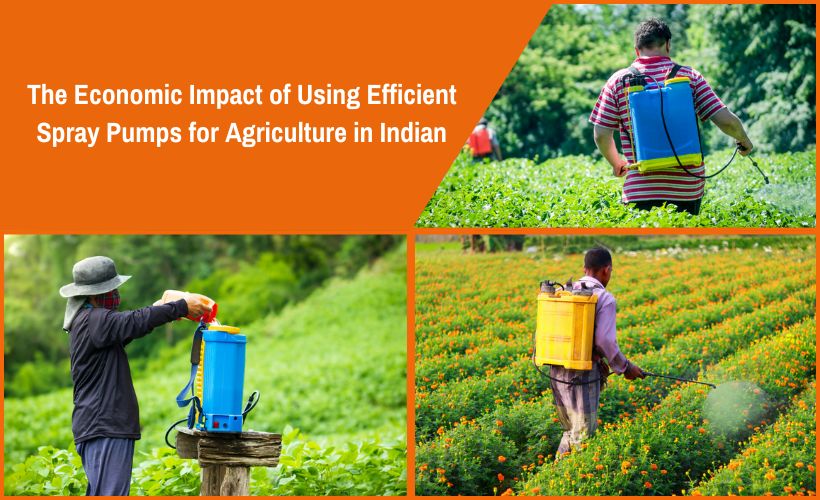
In the dynamic landscape of Indian agriculture, where efficiency directly determines profitability, the tools farmers rely on play a vital role. Among these, spray pumps for agriculture stand out as one of the most crucial investments. Transitioning from outdated manual spraying methods to modern, high-efficiency sprayers represents not just a technological improvement, it’s an economic revolution.
By ensuring precise agrochemical application, these pumps help reduce waste, enhance crop health, and safeguard a farmer’s financial investment. For Indian farmers, adopting the right agriculture sprayer machine is a step toward sustainable and profitable farming.
Sprayer Maintenance: Getting the Best Out of Every Drop
The foundation of cost-effective spraying lies in accurate calibration. Calibration means adjusting your sprayer agriculture machine, such as a neptune sprayer pump, to deliver the exact amount of chemical mixture per the manufacturer’s recommendation over a specific area. This prevents the two biggest economic pitfalls in spraying—over-application and under-application.
Preventing Over-Application
Applying too much chemical wastes expensive pesticides and fertilizers, immediately cutting into profit margins. Moreover, excessive use can damage crops, harm soil health, and leave harmful residues, all of which translate into long-term financial loss.
Preventing Under-Application
Conversely, using too little chemical leads to ineffective pest or weed control. This results in ongoing crop damage, costly re-applications, and even pest resistance to chemicals forcing farmers to switch to more expensive alternatives.
Maximizing Efficiency
A correctly calibrated sprayer ensures even coverage and consistent droplet size. This maximizes chemical contact with weeds, pests, or foliage making every rupee spent count. Healthier crops and higher yields are the natural outcome of efficient spraying practices.
Calibration involves balancing key factors: travel speed, nozzle flow rate, and spray pressure to ensure the desired application rate (litres per hectare) is achieved across the entire field.

Spray Pump Calibration: Ensuring Accurate Chemical Application with neptune sprayer pump
Calibration delivers precision, but maintenance sustains it. Proper maintenance ensures the sprayers perform efficiently over time, reducing chemical waste and extending the equipment’s lifespan.
Protecting Nozzles
Nozzles are the core of accuracy. Over time, wear and tear enlarge nozzle openings, increasing flow rate and resulting in over-application. Regular inspection and replacement prevent unnecessary chemical and financial loss.
Preventing Clogs and Downtime
Residue buildup in tanks, hoses, or filters causes uneven spraying and system blockages. Routine cleaning especially after using wettable powders—ensures smooth operation and prevents costly mid-season breakdowns.
Extending Equipment Lifespan
Simple practices like cleaning, lubricating moving parts, checking for leaks, and storing the pump properly during the off-season drastically increase its longevity. These proactive steps delay expensive equipment replacements and protect the farmer’s investment.
A well-maintained sprayer safeguards the efficiency of costly agrochemicals, ensuring stronger crops and higher returns.
Economic Conclusion: Efficiency as the Engine of Profit
The financial advantages of using efficient, well-maintained, and calibrated spray pumps in Indian agriculture are immense. It transforms farming from a wasteful process into a precise, sustainable, and profitable system.
By focusing on calibration and maintenance, farmers gain:
- Reduced Input Costs: Savings from eliminating chemical wastage and optimizing pesticide use.
- Higher Yields & Quality: Enhanced pest control leads to healthy, high-quality produce ready for the market.
- Lower Operational Expenses: Fewer repairs, less downtime, and reduced dependency on costly chemical solutions.
Investing in a reliable sprayer like a neptune sprayer pump and maintaining it regularly isn’t just a purchase; it’s a long-term business strategy that enhances profitability, sustainability, and growth one precise drop at a time.
FAQs
Q1. Why is spray pump calibration important for farmers?
Calibration ensures the right amount of chemical is applied uniformly, preventing waste and improving pest control effectiveness.
Q2. How often should spray pumps be maintained?
Ideally, maintenance should be done before and after each spraying season, with regular checks for nozzle wear, leaks, and clogs.
Q3. What are the economic benefits of using efficient spray pumps for agriculture?
Efficient pumps lower chemical usage, improve crop yield and quality, and extend equipment life leading to significant cost savings.


