 Phone: 0731-3121900, Mob: 9229297668, 9826655552
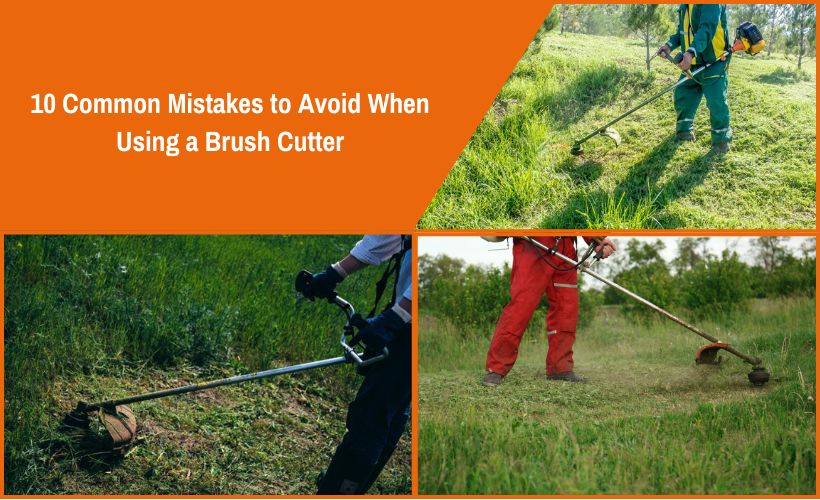
A brush cutter is one of the most powerful tools for maintaining gardens, farms, and fields. Whether you are trimming thick weeds, cutting long grass, or managing crops like गेहूँ (wheat) and धान (paddy), the right brush cutter machine makes the job faster and easier. But here’s the thing—using a grass cutter machine the wrong way can lead to poor results, damage to the tool, and even safety risks.
In this guide, we’ll break down the 10 common mistakes people make with a brush cutting machine and how you can avoid them.
Why a Brush Cutter Machine is Essential for Gardening and Farming
The lawn grass trimmer is more than just a tool—it’s a game-changer for anyone who wants a neat, manicured lawn or a productive farm. From clearing overgrown weeds to cutting through crops like घास, गेहूँ, and धान, a good crop cutter helps save time and effort.
Compared to traditional sickles or manual cutters, modern cutter machines are designed to handle different terrains, reduce manual labor, and deliver a clean finish every time.
10 Mistakes to Avoid When Using a Brush Cutter
1. Ignoring Safety Gear
Never operate a brush cutting machine without safety glasses, gloves, and proper footwear. Flying debris can cause serious injuries.
2. Using the Wrong Blade or Attachment
A grass cutter machine comes with different blades and nylon trimmers. Using the wrong one for thick weeds or crops can damage the machine.
3. Skipping Regular Maintenance
Not cleaning or lubricating your cutter brush machine after use reduces its lifespan and performance. Always check the air filter, fuel, and blades.
4. Cutting Too Close to the Ground
Lowering the blade too much can dull it quickly and damage roots. Maintain the right height while cutting.
5. Overloading the Machine
Forcing the brush cutter machine through thick bushes without breaks overheats the motor and reduces efficiency.
6. Using Low-Quality Fuel or Oil
Poor-quality fuel clogs the carburetor and reduces engine life. Always follow the manufacturer’s guidelines.
7. Neglecting Balance and Grip
Improper handling of the brush cutting machine can strain your back and shoulders. Maintain a steady grip and stance.
8. Not Checking the Area Before Cutting
Cutting without inspecting the area may damage the blade if it hits rocks, metal, or hidden objects.
9. Storing Without Cleaning
Leaving dirt, crop residue, or grass clippings inside the brush cutter machine causes rust and blockages.
10. Ignoring Manufacturer Instructions
Each grass cutter machine has specific usage guidelines. Skipping them leads to misuse and early wear.
Choosing the Right Brush Cutter for Your Needs
When buying a brush cutter machine, think about the area you need to maintain. For small gardens, a lightweight grass cutting machine with nylon trimmers is enough. For farms with crops like गेहूँ or धान, go for a heavy-duty crop cutter with multiple blade options.
Final Thoughts
A brush cutter machine can be your best partner in gardening, farming, or landscaping—but only if you use it correctly. By avoiding these 10 mistakes, you’ll extend the life of your grass cutting machine, improve performance, and ensure safe usage.
Whether it’s trimming your lawn, managing wild grass, or cutting crops like गेहूँ and धान, investing in the right brush cutting machine will make the work easier, faster, and more efficient.
FAQs on Brush Cutter Machines
Q1. What is the difference between a brush cutter and a grass cutter machine?
A brush cutter is designed for tougher tasks like thick weeds and crops, while a grass cutter machine is mostly for lawns and softer grass.
Q2. Can I use a brush cutting machine for wheat and paddy fields?
Yes, modern brush cutter machines are often used as crop cutters for गेहूँ and धान harvesting in small to medium-sized farms.
Q3. How often should I service my brush cutter machine?
Basic cleaning should be done after every use. A professional service is recommended every 3–6 months.
Q4. Is a brush cutter safe for beginners?
Yes, but only if you follow safety guidelines and start with small areas before moving to heavy-duty tasks.