 Phone: 0731-3121900, Mob: 9229297668, 9826655552
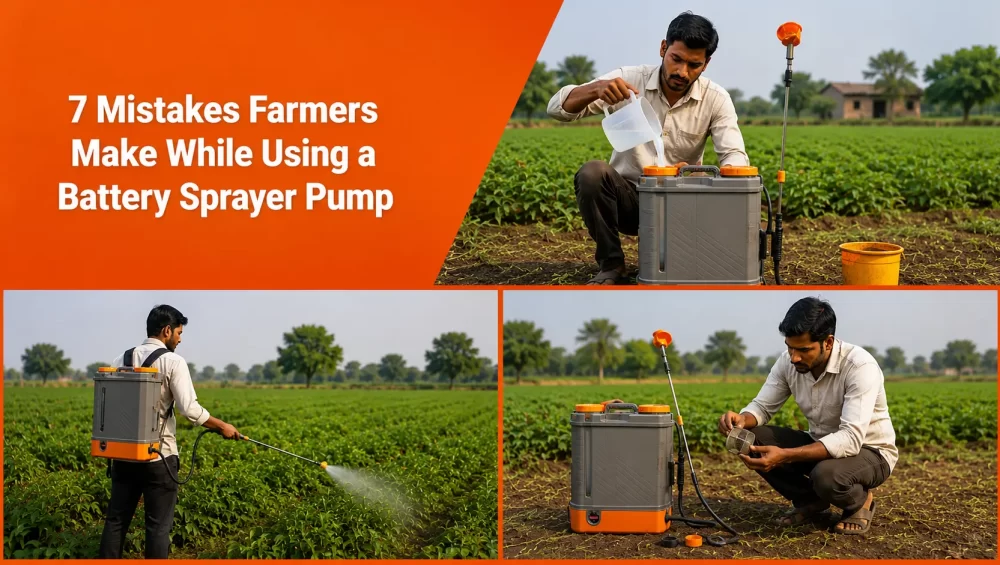
For modern farming, a battery sprayer is a game-changer. It saves time, reduces physical fatigue, and ensures an even application of pesticides, fertilizers, and disinfectants. Whether you are using a traditional sprayer or an advanced agriculture spray machine with battery, proper operation and maintenance are essential for achieving maximum efficiency and long-term performance.
However, many farmers find that their sprayers do not last as long as expected. In most cases, the problem is not a manufacturing defect but improper usage and maintenance. By avoiding a few common mistakes and following simple care practices, you can extend the life of your equipment and reduce repair costs.
1. Using the Wrong Chemical Concentration
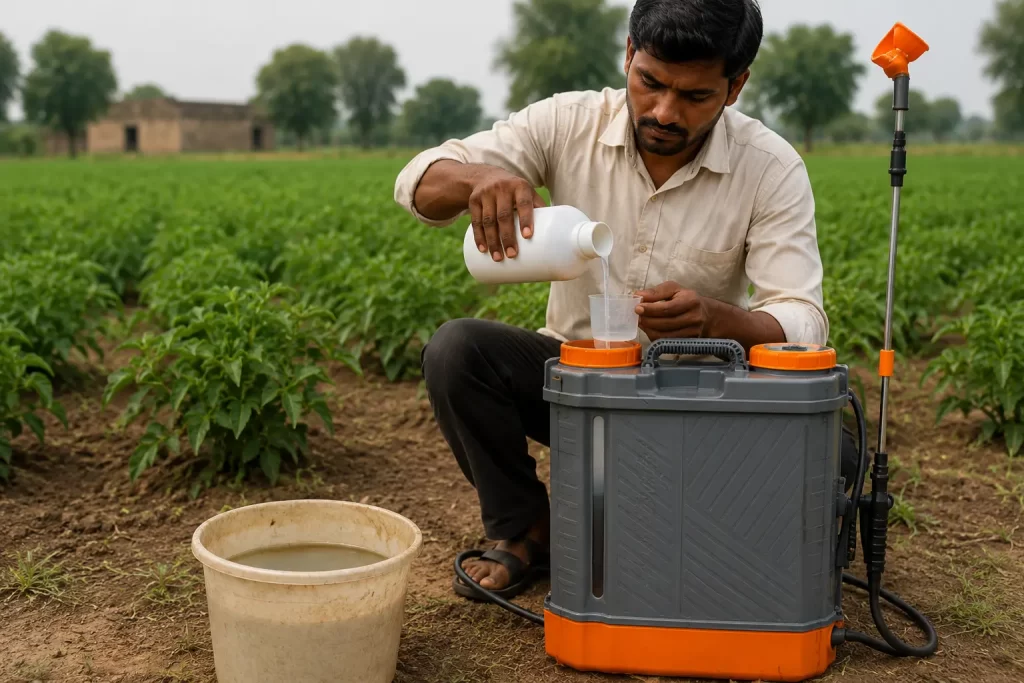
Many farmers assume that a stronger chemical solution will deliver faster or better results. However, using overly concentrated pesticides or fertilizers can cause significant damage to the internal components of the sprayer.
Highly concentrated chemicals can corrode pump parts, harden seals, and clog nozzles. Over time, this reduces spraying efficiency and increases maintenance costs.
How to Fix It
Always follow the dilution guidelines recommended by the chemical manufacturer. Proper mixing ensures effective pest control while protecting your equipment from unnecessary wear and tear.
2. Failing to Flush the Tank After Use
One of the most common mistakes is leaving leftover chemicals inside the tank after spraying.
Chemical residues can settle and crystallize, causing blockages in hoses, filters, and spray nozzles. This buildup may also damage pressure valves and affect overall performance.
How to Fix It
After every spraying session, empty the tank completely and rinse it thoroughly with clean water. This simple habit prevents residue accumulation and keeps the sprayer functioning efficiently.
3. Dry Running the Pump
Running a sprayer when the tank is empty can seriously damage the motor.
Without liquid inside the system, the pump loses its natural cooling and lubrication. Excessive heat and friction develop quickly, leading to motor burnout and pump failure.
How to Fix It
Monitor the liquid level during operation and switch off the sprayer before the tank becomes completely empty.
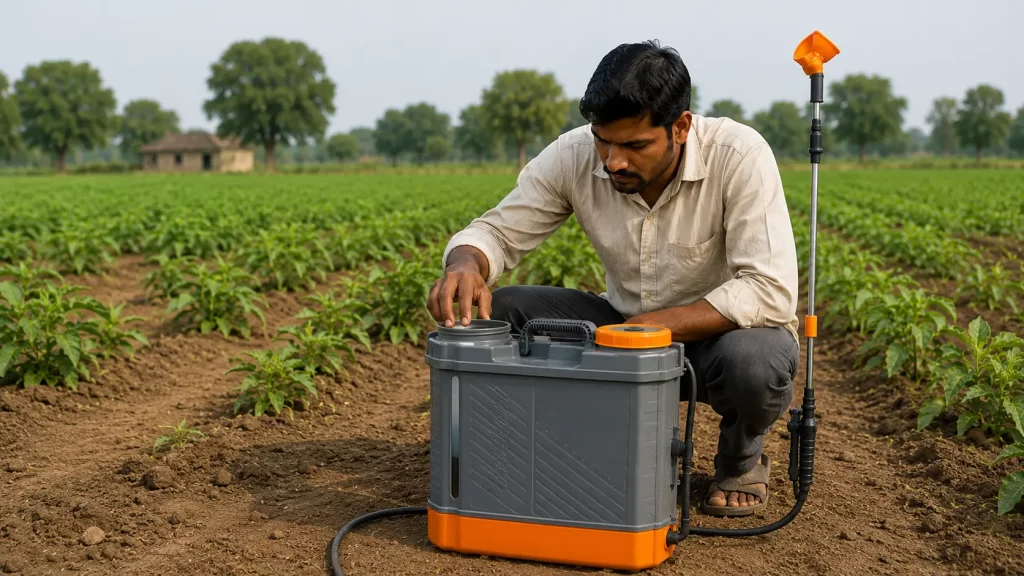
4. Overcharging or Deep Discharging the Battery
The battery is the heart of any spraying system, and improper charging habits can dramatically shorten its lifespan.
Common Charging Mistakes
- Leaving the battery connected to the charger for days.
- Allowing the battery to discharge completely before recharging.
- Using low-quality or incompatible chargers.
These habits damage battery cells and reduce their ability to hold a charge over time.
How to Fix It
Charge the battery after each use and disconnect the charger once charging is complete. Avoid allowing the battery to remain fully discharged for extended periods.
5. Storing the Sprayer with an Empty Battery
Many farmers store their equipment during the off-season without paying attention to battery health.
Both lead-acid and lithium batteries naturally lose charge over time. If stored in a discharged state, they may permanently lose their charging capacity.
How to Fix It
Before storage, charge the battery to approximately 50–70% capacity and recharge it every 4–6 weeks during the off-season.
6. Ignoring Clogged Nozzles and Filters
When spray pressure decreases, many operators immediately increase the pressure setting.
In reality, low pressure is often caused by clogged filters, blocked nozzles, or dirty strainers rather than a weak pump.
Increasing pressure unnecessarily places additional strain on the motor and battery.
How to Fix It
Inspect and clean the nozzle filter and suction strainer regularly. A quick rinse often restores proper spray performance.
7. Exposing the Unit to Extreme Weather
Leaving your sprayer outdoors in direct sunlight, heavy rain, or freezing conditions can significantly reduce its lifespan.
Excessive heat weakens battery performance, while moisture can damage electrical components and promote corrosion.
How to Fix It
Store the sprayer in a cool, dry location away from direct sunlight and harsh weather conditions.
Battery Maintenance Tips to Extend Sprayer Life
Proper battery care can significantly improve reliability and reduce replacement costs.
| Action | Frequency | Benefit |
|---|---|---|
| Charge After Use | After every spraying session | Prevents deep discharge |
| Off-Season Top-Up | Every 4–6 weeks | Maintains battery health |
| Keep Battery Dry | Always | Prevents corrosion |
| Inspect Connections | Monthly | Ensures efficient power flow |
Golden Rules of Battery Care
Use the Original Charger
Always use the charger supplied by the manufacturer. Cheap or incompatible chargers may deliver incorrect voltage, potentially damaging the battery.
Store in a Cool and Dry Location
Heat is one of the biggest enemies of battery life. Store your battery operated spray pump indoors whenever possible.
Clean Battery Terminals Regularly
Inspect battery terminals for signs of corrosion. If buildup appears, clean it with a dry cloth and apply a thin layer of petroleum jelly to protect against moisture.
The Correct Way to Clean Your Sprayer
Following a simple cleaning routine after every spraying session helps maintain performance and extends equipment life.
Step 1: Flush the Tank
Safely drain any leftover chemicals. Fill the tank with clean water and spray it through the system until the lines are completely flushed.
Step 2: Clean Filters and Nozzles
Remove the nozzle and filter, then rinse them under running water. Use a soft brush to remove debris without damaging the components.
Step 3: Wipe Down the Exterior
Clean chemical spills from the outside of the tank to prevent long-term damage to plastic surfaces and electrical parts.
Pro Tip
If you have been spraying oil-based chemicals, perform the first rinse using warm water mixed with a small amount of mild dish soap. Follow with a final rinse using clean water.
Conclusion
A battery sprayer pump is a valuable investment that helps farmers improve productivity, reduce labor requirements, and achieve better crop protection results. By avoiding common maintenance mistakes and following proper cleaning and charging practices, you can maximize the lifespan of your equipment while reducing repair expenses.
A well-maintained sprayer will provide dependable performance throughout the growing season, ensuring that your crops receive the protection they need at the right time. Taking preventive care today can save both time and money in the future.
Frequently Asked Questions (FAQs)
1. How long does a battery sprayer pump battery last on a single charge?
The runtime of a battery sprayer pump depends on the battery capacity and spraying pressure. Most quality sprayers can operate continuously for 4–8 hours on a full charge, making them suitable for small and medium-sized farms.
2. How often should I clean my battery operated spray pump?
You should clean your battery operated spray pump after every use. Flushing the tank, hose, and nozzle with clean water prevents chemical residue buildup, reduces clogging, and helps extend the life of the equipment.
3. What is the best way to store a battery sprayer during the off-season?
Before storing a battery sprayer, clean it thoroughly and charge the battery to about 50–70% capacity. Keep it in a cool, dry place away from direct sunlight, and recharge the battery every 4–6 weeks to maintain its performance.