 Phone: 0731-3121900, Mob: 9229297668, 9826655552
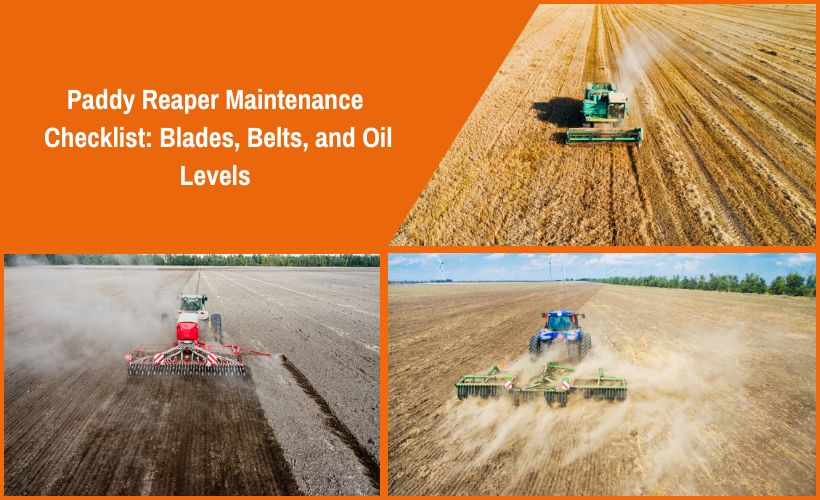
In 2026, the landscape of Indian agriculture is rapidly shifting toward mechanization. For the modern farmer, the Paddy reaper has evolved from a simple harvesting tool into a sophisticated and efficient machine. Whether you are managing a small plot or a large multi-crop farm, understanding maintenance practices, market pricing, and the latest technological advancements is key to achieving a timely and profitable harvest.
A well-maintained reaper ensures a clean cut, reduces grain loss, and prevents costly mid-season breakdowns. Follow this essential checklist to keep your machine in peak operating condition.
1. Blade Care & Sharpening
The cutter bar is the heart of any harvesting machine. Dull blades tear the stalks rather than cutting them cleanly, leading to shattering losses.
- Inspection: Check for chipped, bent, or worn blade teeth after every 10 hours of use.
- Sharpening: Sharpen blades every 25–30 working hours using a file or grinder.
- Replacement: If a blade section loses more than 10% of its surface area, replace it immediately to maintain cutting balance.
2. Belt Tension and Alignment
Most self-propelled units rely on V-belts or flat belts for power transmission.
- The 1-Inch Rule: When pressed firmly, belt slack should not exceed 0.5 to 1 inch.
- Slippage Warning: A squealing sound or burning rubber smell indicates belt slippage—tighten the tensioner pulley promptly.
- Wear & Tear: Replace belts that show fraying or deep cracks to avoid sudden failure during peak harvesting.
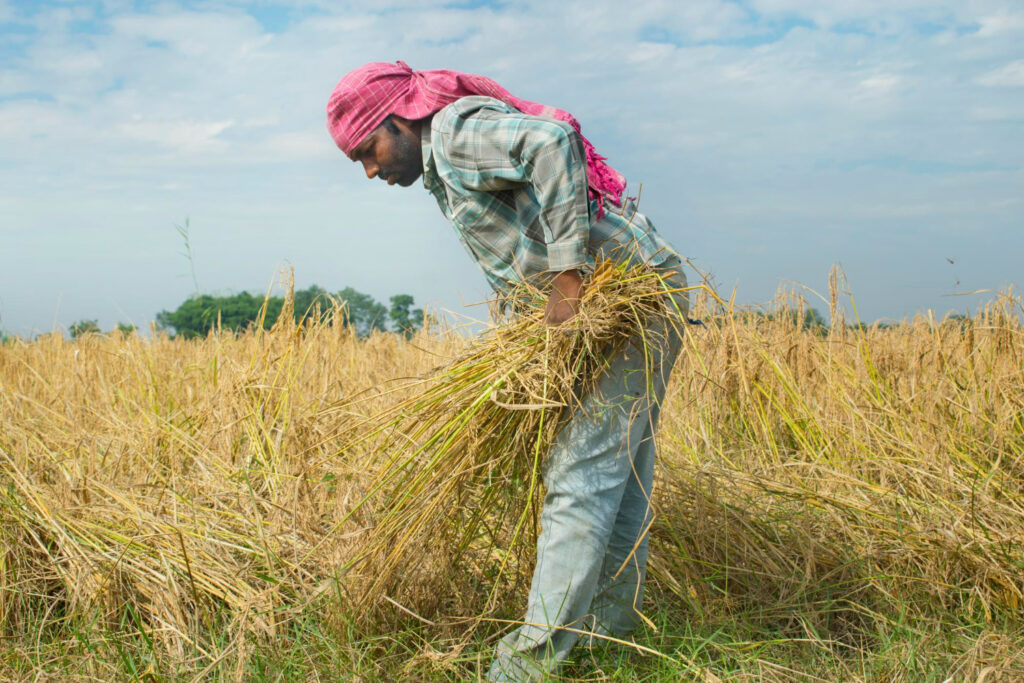
3. Oil & Fluid Management
- Engine Oil: For 4-stroke engines, change oil after the first 20 hours and every 50 hours thereafter. Use SAE 20W-40 or the manufacturer’s recommended grade.
- Gearbox Oil: Check gearbox lubrication daily (usually SAE 90). Running dry can cause serious internal damage.
- Air Filter: Clean the air filter every morning, especially in dusty field conditions, to ensure smooth engine performance.
Paddy Reaper Price in India 2026: From ₹35K Manual to ₹1.75L Self-Propelled
Understanding paddy reaper price trends helps farmers budget wisely based on land size and operational needs. Below is an approximate market overview for 2026.
| Reaper Type | Approx. Price Range | Best For |
| Manual / Walking Type | ₹35,000 – ₹55,000 | Small farms, uneven terrain |
| Tractor-Mounted | ₹65,000 – ₹95,000 | Farmers with 25–45 HP tractors |
| Self-Propelled (Petrol) | ₹90,000 – ₹1.25 Lakh | Medium farms, easy maneuvering |
| Self-Propelled (Diesel) | ₹1.30 – ₹1.75 Lakh | Commercial use, higher torque |
Note: Prices vary across states due to taxes and dealer margins. Government subsidies under the SMAM scheme can reduce costs by 30–50% for eligible farmers.
Paddy Reaper Multi-Crop Technology: Rice, Wheat, Soybean Cutting Features
Modern machines are no longer limited to a single crop. Today’s rice reaper machine is designed to handle multiple crops efficiently with minimal adjustments.
- Rice & Wheat: High-speed cutting for upright cereal crops
- Soybean & Chickpeas: Low-cut technology enables cutter bar operation at 4–5 cm, ensuring pods are not missed
- Fodder Crops: High-clearance dividers prevent clogging when harvesting thick stalks like sorghum and bajra
This versatility allows farmers to maximize machine usage across seasons.
A deep Dive into self-propelled power reaper technology
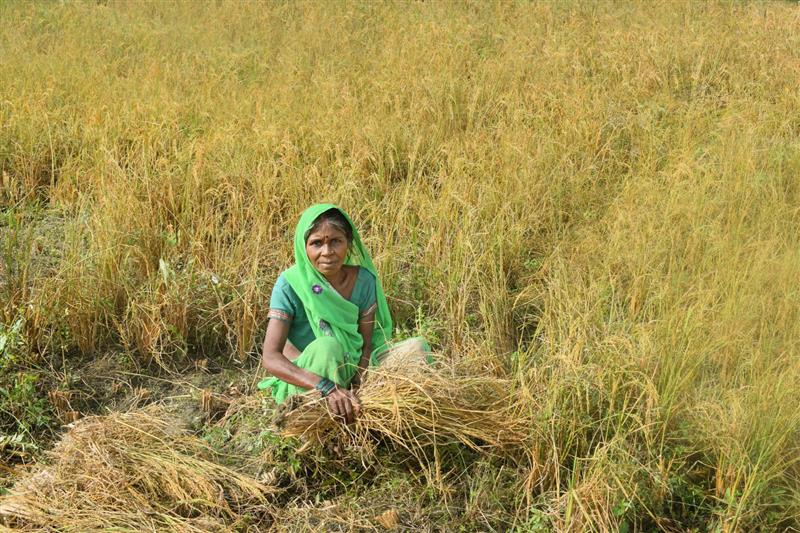
Self-propelled reapers are among the most advanced harvesting solutions available in 2026. These front-mounted machines cut crops before the wheels pass over them, eliminating trampling losses.
Key Innovations in 2026 Models
- Gear-Drive Transmission: Replacing belt systems, gear drives deliver up to 20% more torque—ideal for lodged or wet crops.
- Vertical Conveyor Chains: Lugged canvas or heavy-duty chains neatly place cut crops into side windrows, speeding up bundling.
- Ergonomic Enhancements: Anti-vibration handles and electric start features reduce operator fatigue during long harvesting hours.
Efficiency and Return on Investment
A standard 5 HP self-propelled unit can harvest:
- 1 acre in 1.5–2 hours
- Fuel consumption: 700–900 ml per hour
Compared to manual harvesting, which requires 10–15 laborers, the savings are significant. When evaluating overall reaper machine price, most farmers recover their investment within two harvesting seasons.
Conclusion
In 2026, choosing the right reaper is a strategic decision that directly impacts productivity and profitability. With proper maintenance, awareness of pricing, and adoption of modern technology, farmers can ensure faster harvesting, lower labor dependency, and higher efficiency across crops.
FAQ
Q1. What is the average paddy reaper price in India in 2026?
The average paddy reaper price in India in 2026 ranges from ₹35,000 for manual walking models to ₹1.75 lakh for self-propelled diesel reapers. The final cost depends on engine type, automation level, and state-wise subsidies. Farmers eligible under government schemes like SMAM can receive 30–50% subsidy, significantly reducing the purchase price.
Q2: How much area can a self-propelled reaper machine harvest in one day?
A standard 5 HP self-propelled reaper machine can harvest 4 to 5 acres per day, depending on crop density, field conditions, and operator skill. On average, it takes 1.5 to 2 hours per acre, making it far more efficient than manual harvesting.
Q3: Can one rice reaper machine be used for multiple crops?
Yes, modern rice reaper machines in 2026 are designed with multi-crop compatibility. With adjustable cutting height and improved conveyor systems, the same machine can be used for paddy, wheat, soybean, chickpeas, and fodder crops, helping farmers maximize usage across different seasons.