 Phone: 0731-3121900, Mob: 9229297668, 9826655552

Owning a professional-grade brush cutter machine is a game-changer for land management. But these powerful tools demand more than fuel and a pull-start to perform at their peak. Whether you’re operating a brush cutting machine for dense undergrowth or a grass cutter machine for landscape maintenance, the difference between a machine that lasts for years and one that fails within a season comes down to proper setup, maintenance, and internal engineering.
In this guide, we’ll walk through essential assembly steps, expert troubleshooting techniques, and the engineering advantages that set neptune industries apart.
Many mechanical failures don’t happen due to wear and tear — they happen because of improper setup. When you unbox your new machine, follow these steps carefully:
1. Drive Shaft and Gearhead Alignment
The shaft must be perfectly aligned with the engine housing. Before first use:
- Lubricate the inner drive cable with lithium-based grease.
- Ensure the gearhead is fully seated and properly tightened.
- Confirm that splines are engaged correctly.
If the gearhead isn’t seated deeply enough, the splines may strip under high torque, leading to expensive repairs.
2. Handlebar Ergonomics and Vibration Control
Loose handlebars are more than uncomfortable — they create uneven vibration patterns that can:
- Crack plastic housings
- Loosen engine bolts
- Increase operator fatigue
Position the U-handle so you can stand upright with a balanced posture. Tighten securely and check again after the first few hours of operation.
3. Proper Deflector Installation
Never operate the machine without the safety guard installed.
The deflector includes a trimming blade that maintains the correct nylon line length. If the line extends too far:
- Engine drag increases
- RPM drops
- Overheating risk rises
- Engine seizure becomes possible
Correct installation protects both you and the engine.
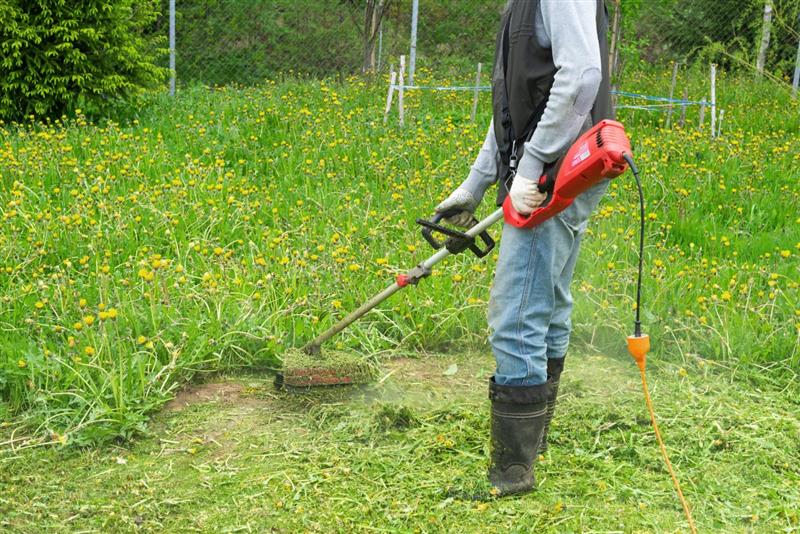
Fixing a brush-cutting machine that won’t start (Mechanical Troubleshooting Process)
Few things are more frustrating than a machine that refuses to start. Before heading to a repair shop, follow this structured troubleshooting process — even if you are using a grass cutting machine manual model or a fuel-powered unit.
Step 1: The “Life Blood” Check (Fuel and Air)
Stale Fuel
- Petrol begins degrading after 30 days.
- Drain old fuel and refill with fresh 2-stroke mix (typically 40:1 or 50:1 ratio).
Air Filter
- Remove and inspect the filter.
- Tap out dry dust or wash foam filters in warm soapy water.
- Let it dry completely before reinstalling.
A clogged air filter suffocates the engine.
Step 2: Spark Plug Inspection
Remove the spark plug and check:
- Wet plug → Engine flooded
- Black carbon deposits → Fuel mixture too rich
Clean the electrode with a wire brush or replace the plug.
Check spark plug gap: usually 0.6mm–0.7mm for optimal ignition.
Step 3: Fuel Lines and Primer Bulb
Inspect clear fuel lines for cracks or brittleness.
If the primer bulb doesn’t firm up after 5–10 presses, you may have:
- A vacuum leak
- A clogged carburetor diaphragm
These restrict proper fuel flow to the engine.
Pro Tip
If the engine starts but dies when throttled, check the spark arrestor screen inside the muffler.
Carbon buildup restricts exhaust flow. Clean the screen to restore proper engine breathing.
The Engineering Edge That Matters
Professional users demand durability. High-performance internal components make the real difference:
Precision-Balanced Crankshafts
- Reduce vibration
- Protect bearings
- Enable sustained high RPM use
- Extend engine lifespan
High-Silicon Aluminum Cylinders
- Superior heat dissipation
- Reduced piston scuffing
- Better summer performance
Heavy-Duty Centrifugal Clutches
- Smooth engagement
- Strong torque transfer
- Protection against sudden load shocks
How Neptune Industries Designs Parts for Durability and Performance
| Component | Frequency | Action |
| Air Filter | Every 10 Hours | Clean or Replace |
| Gear Box | Every 25 Hours | Add gear grease. |
| Spark Plug | Every 50 Hours | Check Gap & Carbon |
| Fuel Tank | After Each Use | Drain if storing >30 days |
Conclusion
Whether you operate a compact yard tool or a heavy-duty clearing unit, proper assembly and maintenance determine performance. A well-maintained machine delivers smoother cutting, longer engine life, and lower repair costs.
Invest time in setup, follow systematic troubleshooting steps, and choose equipment built with strong internal engineering. When treated correctly, your cutting machine becomes more than a tool it becomes a long-term productivity partner.
FAQ
1. Why is my brush cutter machine not starting?
A brush cutter machine may not start due to stale fuel, a clogged air filter, a faulty spark plug, or blocked fuel lines. Always check the fuel quality, clean or replace the air filter, inspect the spark plug gap (0.6–0.7mm), and ensure proper fuel flow before seeking professional repair.
2. What is the difference between a grass cutter machine and a brush cutting machine?
A grass cutter machine is mainly designed for trimming soft grass and lawn maintenance, while a brush cutting machine is built to handle thicker weeds, dense undergrowth, and small woody stems. Brush cutters usually have more engine power and support metal blades in addition to nylon trimmer lines.
3. How often should I service my grass cutting machine manual or petrol model?
Whether you use a grass cutting machine manual or a petrol-powered unit, regular maintenance is essential. Clean the air filter every 10 hours, lubricate the gearbox every 25 hours, inspect the spark plug every 50 hours, and always drain fuel if storing the machine for more than 30 days to prevent engine issues.