 Phone: 0731-3121900, Mob: 9229297668, 9826655552

Efficiency is the backbone of modern agriculture. With labor shortages, rising fuel costs, and tight timelines, investing in the right machines and keeping them in top condition can turn a decent season into an outstanding one. From maintaining your hand weeder machine to harvesting paddy efficiently with modern tools, smart mechanization is the key to boosting productivity and profits.
Where to Buy & How to Install
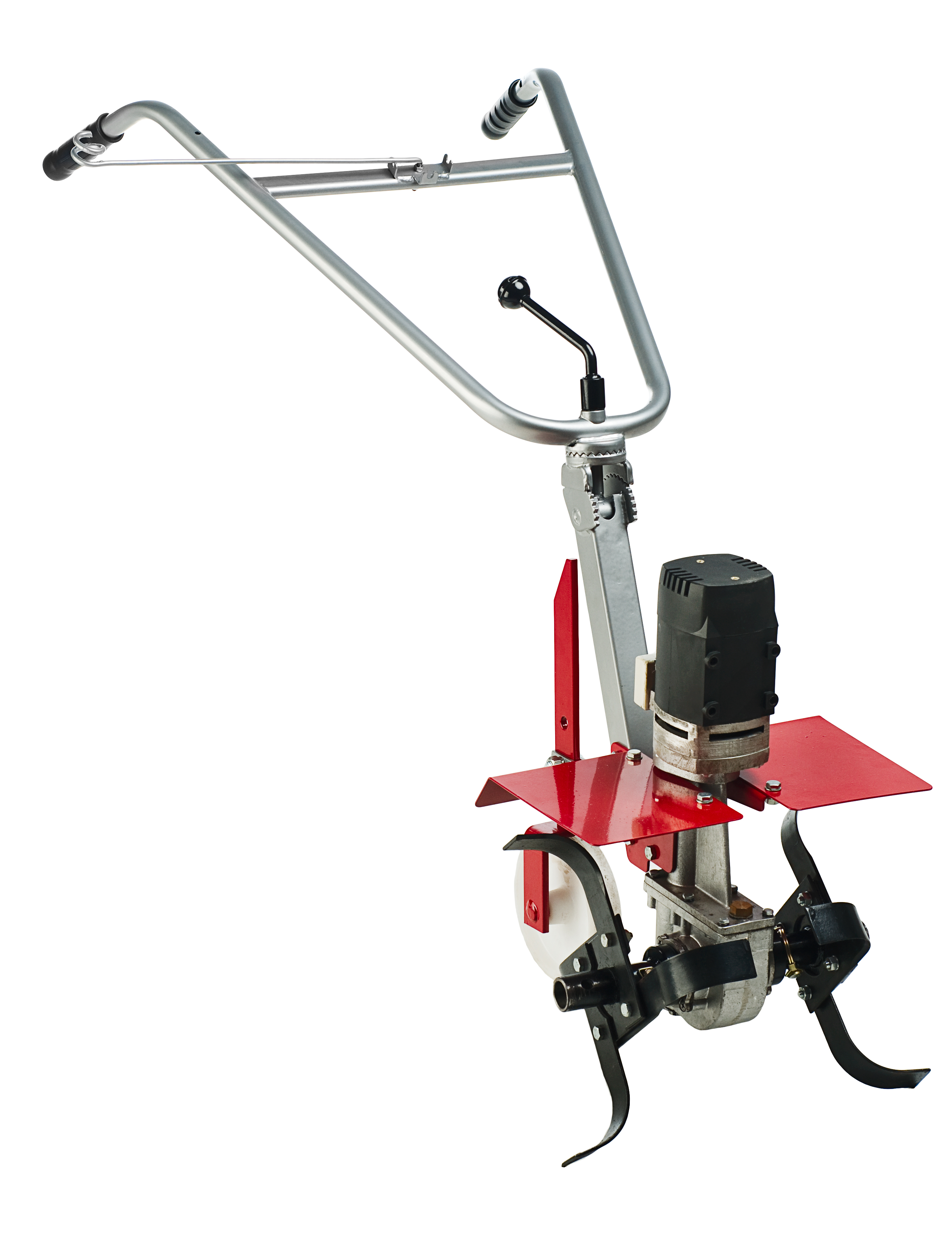
Whether manual or motorized, a hand weeder’s effectiveness depends on timely maintenance and the use of quality spare parts.
Where to Buy Genuine Parts
Authorized Dealers:
Choose authorized sellers of major brands like VST, Honda, and Krishi for genuine blades, cables, and engine components. These offer better performance and durability.
Online Marketplaces:
Agricultural e-commerce platforms offer a wide selection of spares at competitive prices with doorstep delivery.
Local Farm Stores:
These are ideal for picking up quick-fix items like bolts, nuts, lubricants, and standard fittings.
How to Install Common Parts
Weeding Blades/Tynes:
Always disconnect the spark plug and allow the engine to cool before replacing blades. Ensure the new blades face the correct direction and tighten the hex bolts securely to avoid loosening during operation.
Clutch & Throttle Cables:
Proper tension is crucial. The clutch should disengage fully when pulled and engage smoothly when released. Incorrect tension can lead to slippage and gearbox damage.
Power Weeder for Cotton Farming: Best Models, Benefits & Usage
Best Models, Benefits & Practical Usage
The agricultural power weeder has become essential for cotton farmers, especially during the first 60–90 days when weed control is critical.
Key Benefits
Higher Productivity:
A power weeder can cover an acre in just 1.5–2 hours—far faster than the 8–10 hours required for manual weeding.
Lower Labor Cost:
With only one operator needed, farmers typically save ₹1,000–₹1,500 per acre per cycle.
Better Soil Aeration:
Rotary blades remove weeds while gently loosening soil, improving water absorption, root growth, and nutrient uptake.
Best Models for Cotton
| Brand Model | Engine Type | Why It Works for Cotton |
| Honda FJ500 | Petrol | Lightweight, fuel-efficient—ideal for smaller farms |
| VST Shakti PG 50 | Petrol/Diesel | Versatile, supports multiple attachments—ideal for medium farms |
Usage Tip:
Maintain a shallow depth of 1–2 inches to avoid root damage. The first weeding is best done 20–25 days after sowing.
Reliable Combine Harvester Parts for Paddy Harvesting (Blades, Reels)
A paddy harvester machine plays a crucial role in achieving clean, efficient harvesting, but only when its cutting components are well maintained.
Critical Components
Harvester Blades (Knives):
Sharp, high-carbon steel blades ensure clean cutting and reduce grain loss and fuel consumption.
Pick-up Reels:
Reel fingers guide the standing crop toward the cutter bar. Bent or broken fingers disrupt crop flow, causing blockages and shattering losses. Replacing them restores smooth feeding and maintains optimal harvesting speed.
How Neptune Paddy Reapers Save Labour & Fuel During Dhan Katai Season
For farmers who don’t require a full combine, a self-propelled reaper is an ideal solution. Understanding the paddy reaper price and its benefits helps farmers make informed decisions.
Why It Saves So Much
Huge Labor Savings:
A single operator can harvest a hectare in around 4 hours using a small reaper—work that would take manual laborers days.
Lower Fuel Use:
These machines use efficient engines that focus power on cutting and laying, often reducing fuel costs to just ₹100–₹250 per acre.
Neat Crop Laying:
The reaper cuts the crop and lays it neatly to the side, saving time during collection and minimizing grain loss. This is also a key benefit of using a rice reaper machine during Dhan Katai season.
Conclusion
Investing in reliable spare parts and choosing the right machinery—whether a weed cutter machine, weeder, or harvesting tool—helps farmers save time, reduce expenses, and significantly increase their yield. Well-maintained equipment is not just a tool it’s a long-term asset that drives profit and productivity.
FAQ
Q1. Which machine is best for removing weeds in cotton fields?
Power weeders are the most preferred for cotton farming because they save time, reduce labor costs, and improve soil aeration. Models like the Honda FJ500 and VST Shakti PG 50 are highly rated due to their fuel efficiency, adjustable working widths, and ease of handling in row crops.
Q2. What is the average paddy reaper price for small and medium farms?
The price of a paddy reaper depends on the brand, engine capacity, and cutting width. On average, small reapers range between ₹45,000 to ₹85,000, while larger models with wider cutting widths may cost ₹90,000 to ₹1,30,000. Fuel efficiency, spare parts availability, and service support also influence pricing.
Q3. How is a rice reaper machine different from a combine harvester?
A rice reaper machine only cuts and neatly lays the crop on the ground, making it suitable for small and medium farms. A combine harvester, on the other hand, cuts, threshes, and cleans grains in a single pass. Reapers are more affordable, require less fuel, and are ideal where combines cannot operate due to field size or terrain.